

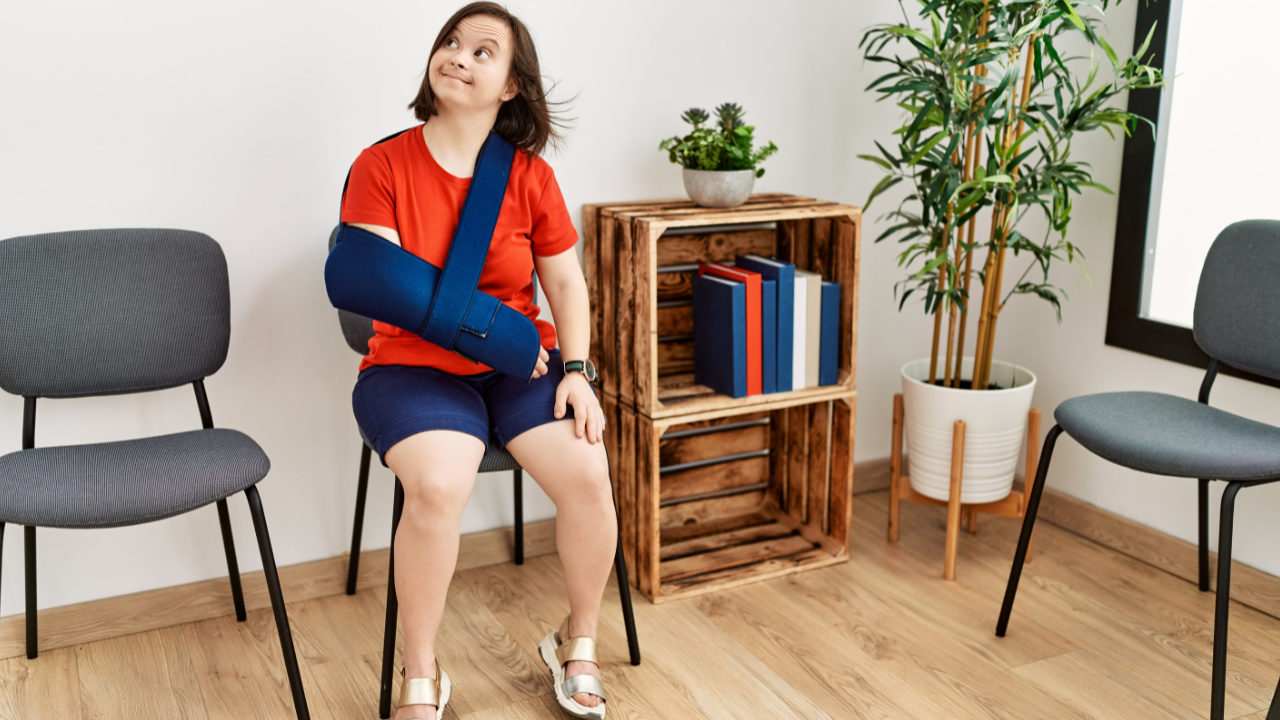
The reality of wearing a brace the wrong way can be very harmful. Orthopedic braces are often viewed as nothing but support tools that you put on and forget about. The type of brace — whether it is a knee brace, back support, wrist splint, or ankle brace — how you wear it is just as important as wearing it at all.
And, besides, people wear orthopedic braces for the same reasons: the pain is easier to tolerate, the joint is protected during movement (either alone or in sports), and so on. When they are worn in the right manner, braces become part of the healing process, and reduce strain while at the same time improving mobility. But once the wrong use is done, then not only is the recovery delayed but also discomfort is increased to the point of creating problems. Let’s examine the potential issues and explain the significance of the right usage in the following points:
1. Increased Pain Instead of Relief
The main problem that people face with this type of braces is the pain having been worsened. Something that may be causing a lot of discomfort on the affected area could be a brace that is either too tight, too loose or places incorrectly. Rather than redirecting the pressure from the injured joint or muscle, the strain can be directed to the tissues surrounding them.
For instance, a knee brace placed too low or too high may not be able to provide the needed stability to the joint and hence leading to pain during movement. Correspondingly, a wrist brace that is worn too tight can provoke aching or throbbing instead of providing relief.
2. Restricted Blood Circulation
Braces that are excessively tight can deprive tissues of oxygen and nutrients via blood flow, particularly if worn for prolonged periods of time. Numbness, tingling, swelling, or coldness of the limb are symptoms of poor circulation. In serious cases, the impediment in blood supply can result in delayed healing and skin irritation or bruising.
This is a hazard particularly for people suffering from diabetes, circulation problems, or those with a sensitive nervous system. A brace should just be the right amount of tightness, that is, it should be supportive but not restricting.
3. Delayed Healing Process
The orthopedic braces are the most common thing and offer support of the injured tissues and limit restricting movement if not to the forbidding one. A wrong wearing of the braces can lead to the opposite; that is, the injured area may not be well protected allowing repeated stress or movement that slackens the process of healing.
For instance, an improper use of a back brace may lead to no proper support of the spine thus the wrong posture may continue. A not-too-tight ankle brace may allow for the joint to be unstable hence the chances of the ankle getting re-injured are higher.
4. Muscle Weakness Over Time
The use of a brace in the wrong way — or wearing one when it is not really needed — can be the cause of muscle dependency. Muscles may become weaker over time if the brace has been taking over their job without proper support or guidance.
The lesser the use the more likely the muscles will become weak. This is especially true if the support used is not based on proper conditioning. Weakness of muscles can make one more prone to injuries when the support is removed.
5. Skin Irritation and Pressure Sores
Skin issues that may arise from improper fitting or positioning include redness, rashes, chafing, and pressure sores. Discomfort from the materials rubbing against the skin in the wrong areas can be worse, especially when it is hot or when one is participating in physically demanding activities.
Most people do not pay attention to these signs when they are just starting to show but the skin irritation that lasts for a long time can result in skin breakdown or infections if no action is taken.
6. Reduced Mobility and Stiffness
If the brace is too rigid or not positioned correctly, it could impede the smooth motion towards a larger degree than is needed. This results in stiffness around the joint, a lack of flexibility, and pain when the brace is removed.
For instance, an elbow or knee brace that limits movement to what is required may pose a problem to doing chores, and one may lack confidence in his/her movements.
7. Poor Posture and Body Imbalance
One of the reasons for incorrect brace use is that bracing can affect the whole body's alignment. If one joint gets improper support, other body parts might compensate. Eventually, this whole scenario will lead to poor posture, uneven weight distribution, and strain on the other joints or muscles.
For example, a back or shoulder brace not worn properly may cause the strain to the neck or lower back rather than relieving it.
8. False Sense of Security
On the other hand, if the brace is used incorrectly, it can give the wearer a false sense of security. The wearer may be more active physically because they feel that the brace will protect them from injury when, in fact, the brace is not giving them the support that they need. This can result in an increase in the number of falls, strains, or exacerbations of the original condition.
How to Avoid These Problems
In order to benefit the most from an orthopedic brace:
Make sure you get the right size and the right type for your condition
Adhere to the directives given by a doctor, physiotherapist, or orthopedist
Regularly examine the skin for irritation
Never wear the brace for a longer period than advised
If recommended, incorporate brace use with exercise and rehabilitation
In case of continued pain, numbness, or discomfort, it is necessary to evaluate again how the brace is being used.
Conclusion
Orthopedic braces are very effective tools for pain management, injury rehabilitation, and joint protection, but only if they are used properly. Misuse of a brace can result in slowing down the healing process, causing discomfort, and even the development of new problems in addition to the existing ones. It is essential to be aware of the proper fitting, positioning, and use of a brace for the long-term maintenance of the health and comfort of joints.
Putting up with high-quality, well-designed orthopedic solutions and using them as recommended with care can make all the difference. Sporlastic ergonomic, comfort, and medical precision are among the factors that users will not have to compromise on getting the right support without safety or mobility issues.


Leave a comment
This site is protected by hCaptcha and the hCaptcha Privacy Policy and Terms of Service apply.