
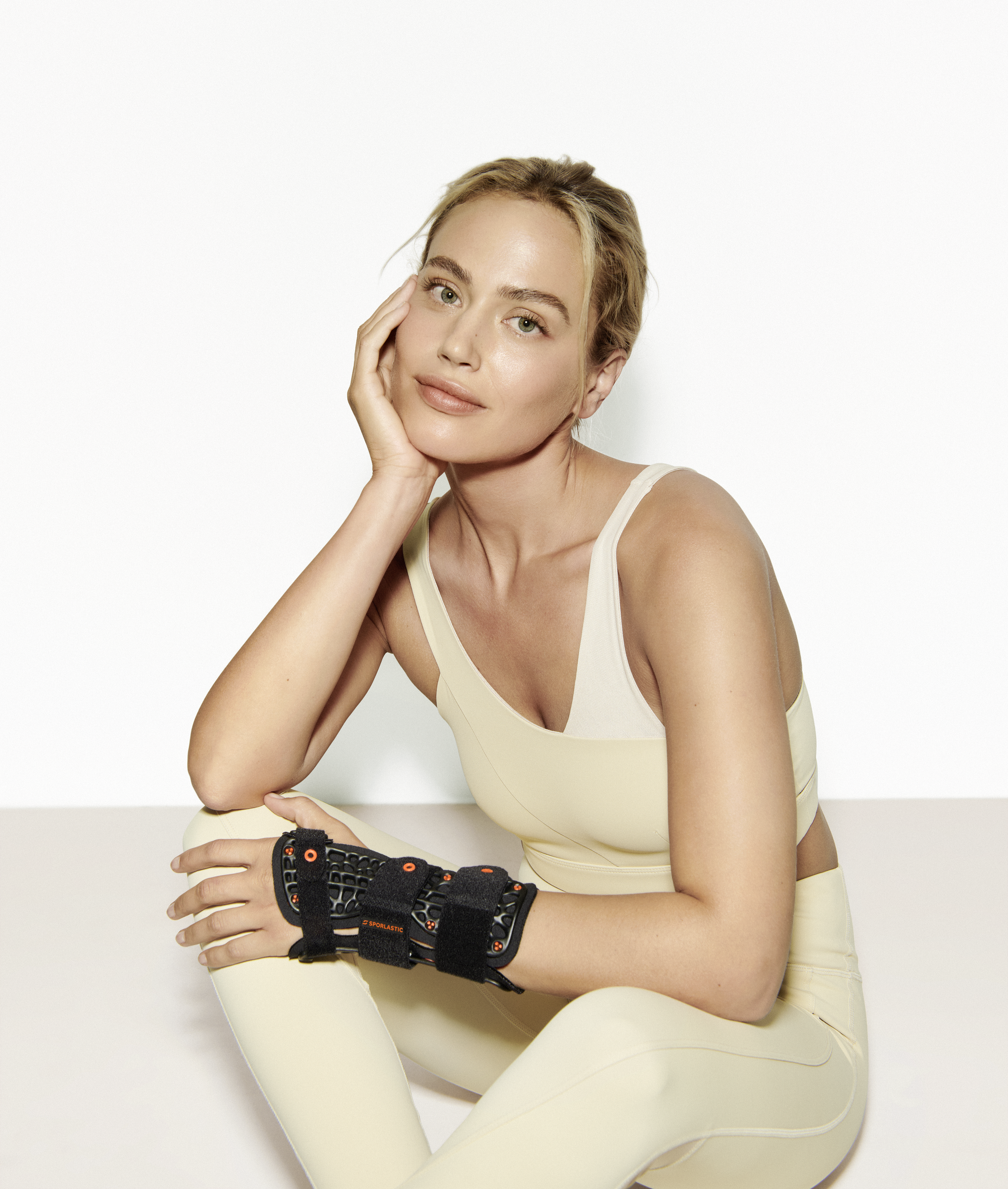

The difference between uncomfortable back braces versus comfortable ones may be found in the type of medical grade back brace that you will choose to wear - particularly when it comes to back pain, recovering after surgery, or managing a chronic ailment. Yet with all these choices there is always confusion as to what features are important. This is a simple way out to ensure you choose the most suitable one.
1. Know Your Back Special Case.
You should know your purpose of getting a brace before even you see one. A brace used in mild muscle strain would be completely different when compared to that used in post-operative support or a known spinal disease. Depending on the location of the spine that requires stabilization (e.g. lumbar (lower back) and thoracolumbar region (mid to lower back) a doctor or a physical therapist can recommend the rigidity level and the part of the back that requires it.
2. Search Official Medical Approval (PDAC Codes).
Medical grade braces usually have PDAC code such as L0642 or L0650, which means that they are of high quality that is applied in the clinical practice and in cases of insuring them. These codes indicate that the brace is considered durable medical equipment (DME), and even can be insurable or tax-benefit healthcare spending accounts.
3. Value Customization and Fit.
A brace is only effective when you put it on a regular basis- and comfort is a great factor in that. Look for:
Adjustable personalized straps or pulley.
Several panels or detachable models which will adjust upon recovery.
Fit properly — make sure you measure your waist or torso first.
The various body shapes and sizes will necessitate braces that fit.
4. One-On-One to Your of Your Activity.
The back braces are of varying degrees of rigidity:
The soft braces or flexible braces used are mild in nature and offer compression- that is helpful in mild pain or daily posture maintenance.
Semi-rigid is pre-equipped with a stay(plastic or metal) to limit movement - excellent where muscle strain recovery is required.
The immobilized ones are rigid braces (including TLSO models) which are prescribed in case of post-surgical treatment or extreme instability of the spine.
Choose based on your everyday life and advice of the professional.
5. Cozy, Runaway and Gown.
The medical braces are worn over hours thus, materials matter. Look for:
Breathable fabrics that are moisture wicked to ensure that warmness is kept away and skin could not be irritated.
In case of sensitive skin, hypoallergenic linings and skin-friendly.
Low profile ones that can be worn undergarments.
Comfort will cause frequent use - and frequent use will help a performance.
6. Durability and Construction Concreteness.
A medical grade brace has to be designed in such a way that it is durable:
Sewn and durable straps are not very day friendly.
Closures that are long (like heavy-duty Velcro) do not lose their tension over time.
Good materials do not get out of shape even after being utilized more than once.
7. Ease of Use & Maintenance
The following are the features that allow a brace to be more convenient to operate with:
Front fastenings or fastenings which are easy to put on and take off.
To achieve a greater degree of hygiene, removable pads or machine washable covers.
They render the brace very convenient in case of mobility issues.
8. Instructions of the physician/ Therapist.
Not even a well designed brace is a universal one. Always buy only after consulting a medical practitioner:
They can know the reason of your misery.
Recommend some type of brace.
Make recommendations on length and frequency of wearing.
In Summary
The challenge of locating the medical grade back brace is not to select the most expensive and the stiffest one but to match the features of the brace to your personal situation and lifestyle. Prioritize:
✔ Official medical approvals
✔ Good fit and adaptability.
✔ Support of the right degree.
✔ Comfort and breathability
✔ Sturdy construction
✔ Ease of use
And the most important of them, consult a healthcare provider to make an educated choice that will guide you on your path to a complete recovery.


Leave a comment
This site is protected by hCaptcha and the hCaptcha Privacy Policy and Terms of Service apply.