

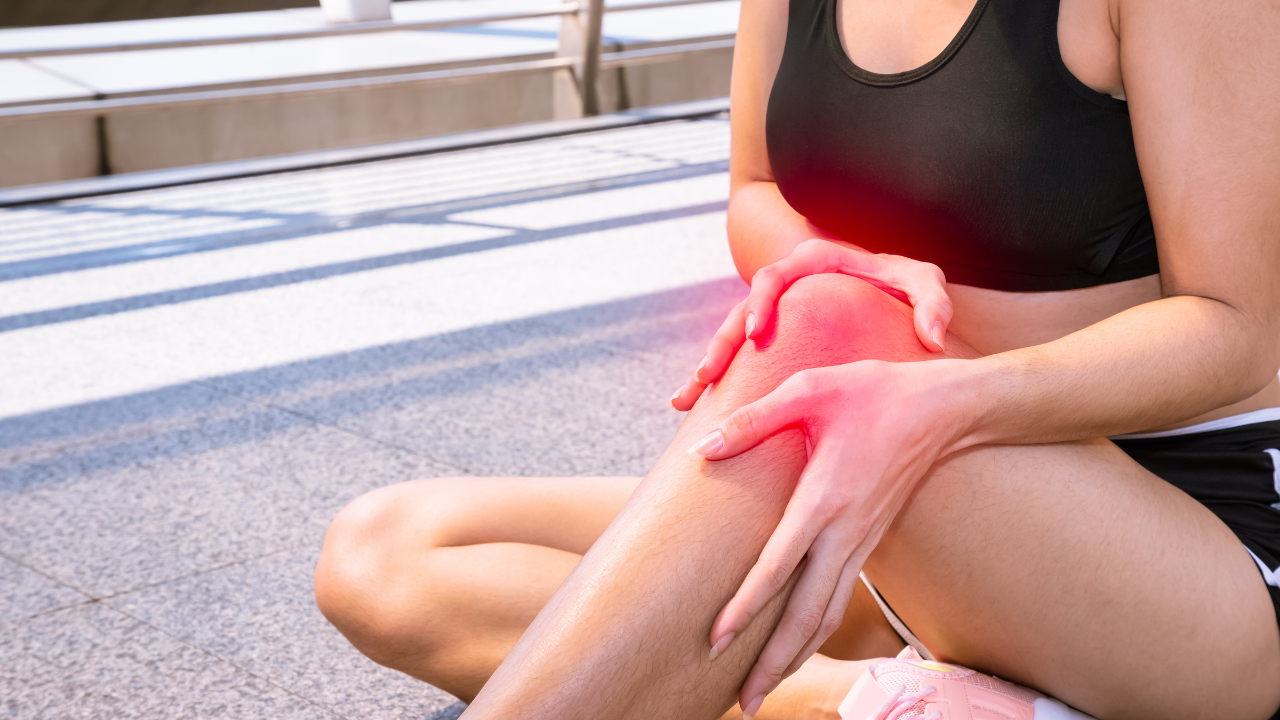
Arthritis knee pain is a prevalent condition that can hinder mobility, comfort and well-being. Although surgery might be suggested for severe cases, there are often non-surgical options to cope with the symptoms. The trick is a combination of lifestyle changes, orthotics and ongoing care and management.
Understanding Arthritis Knee Pain
Knee arthritis is a result of the cartilage that cushions the knee joint wearing out. This results in pain, stiffness, swelling and limited movement. As it progresses, it can become painful to walk, go up and down stairs or even stand for extended periods.
1. Stay at a Healthy Weight
Being overweight can strain the knee joints. Losing even a few pounds can greatly reduce the pressure on the knee joints and alleviate pain. Healthy eating and exercise can help maintain knee health.
2. Keep Moving with Low-Impact Activities
Exercise keeps the joint in the knee supple and helps develop the muscles around it. Stay active with low-impact exercise such as:
Walking on even surfaces
Cycling
Swimming
These promote blood flow and flexibility without over-stretching the knees.
3. Wear Knee Braces
Braces can help to stabilise and support the joint. They can correct the alignment of the knee and provide greater stability, relieving pain during movement. For people with arthritis, the right brace can make walking safer and easier.
4. Use Hot and Cold Packs
Using hot and cold treatments can provide temporary arthritis pain relief:
Cold packs help reduce swelling and inflammation
Hot packs ease muscle tension and increase circulation
Switching between the two is particularly helpful following exercise.
5. Strengthen Surrounding Muscles
Having strong muscles that surround the knee, such as the quadriceps and hamstrings, can help support the joint. Light exercise, perhaps with a professional's supervision, can help to protect the knee and enhance its stability.
6. Enhance Posture and lifestyle
Small changes in everyday activities can avoid knee strain:
Don't sit or stand for prolonged periods of time
Use supportive footwear
Walk and lift with good posture
These minor adjustments may make a big difference.
7. Consider Physical Therapy
Physical therapy can improve your flexibility, strength and joint mobility. A physical therapist can create an exercise program specific to your condition, and supervise its progression.
8. Treat Pain as Required
Anti-inflammatory pain relievers like Ibuprofen or Paracetamol can be used safely to reduce pain and swelling. Be sure to stick to recommended doses and seek medical advice if needed.
9. Be Consistent
There is no magic bullet for arthritis knee pain treatment. The long-term benefits of exercise, support and lifestyle changes are better than short-term solutions.
Conclusion
There are ways to relieve arthritis knee pain without surgery. Regular exercise, weight management, the use of supportive devices such as knee braces, and consistent care strategies can help many people regain mobility and enjoy a better quality of life. And if pain or discomfort becomes more severe or debilitating, speak to a health care practitioner.



Leave a comment
This site is protected by hCaptcha and the hCaptcha Privacy Policy and Terms of Service apply.