
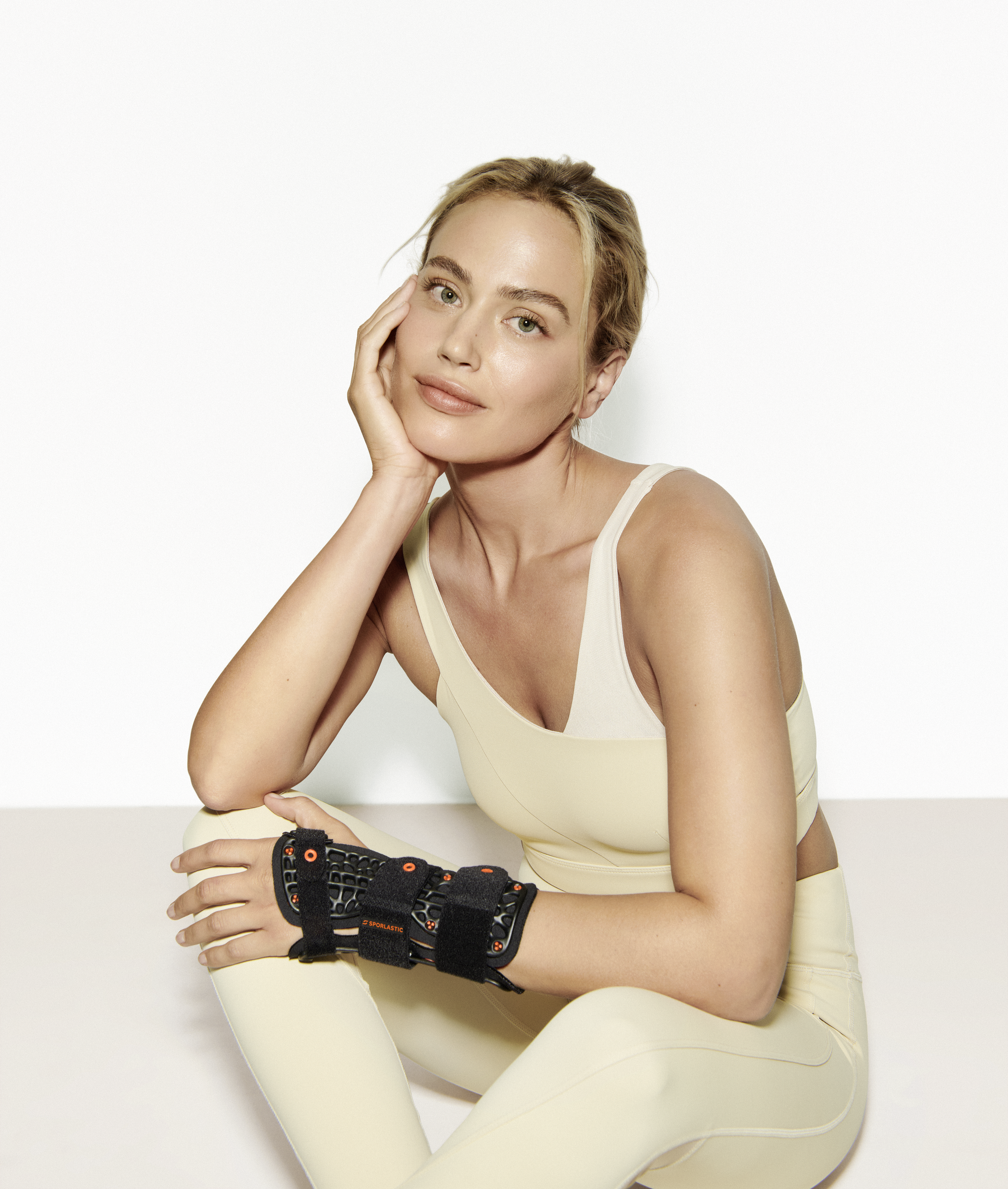

People used to wear orthopedic braces in silence because they needed them for medical situations or surgical procedures or age-related health issues. Most people saw them as temporary medical tools — something you used only when absolutely necessary.
But in 2026, that story has changed.
People now use orthopedic braces and supports as part of their daily health routines. Organizations use these products to help maintain their functioning abilities which includes protecting their body parts against damage during athletic activities. From young athletes to working professionals and seniors, more people are actively choosing joint support before problems become serious.
So what exactly is driving this shift? Let’s look at the seven major trends shaping orthopedic braces and supports in 2026.
1. Prevention Is Replacing Reaction
People now avoid waiting until they get injured because they want to prevent injuries from occurring.
People now use braces before they experience pain because they want to prevent future injuries. Runners wear knee supports during training. Gym enthusiasts use wrist braces while lifting weights. Office workers rely on posture supports to prevent long-term back strain.
The idea is clear - protect your body now to avoid complications later.
People now recognize preventive orthopedic support as an intelligent choice instead of viewing it as an unnecessary expense.
2. An Aging Population That Refuses to Slow Down
Worldwide population trends show that people are getting older while their activities continue at the same pace.
Active people in their 50s, 60s, and 70s now perform activities such as traveling and walking and practicing yoga. However, with age comes natural wear and tear in joints. Osteoarthritis has become a more common condition among people who have reached their senior years.
People choose less invasive treatments because they want to avoid surgery. Senior citizens can maintain their ability to move freely because orthopedic braces create support which helps their joints stay properly aligned.
Joint support enables me to accomplish my goal of remaining active.
3. Smarter Materials, Better Comfort
People who remember older braces will connect them to heavy, stiff structures that limited their ability to move.
That situation no longer applies.
The year 2026 mandates that comfort standards must remain intact. Modern braces use lightweight materials which enable airflow while preventing skin irritation. The design permits users to move freely while still receiving essential support. Many designs use slim materials which remain hidden when worn under clothing.
People expect medical products to fit seamlessly into daily life and manufacturers are responding with smarter, user-friendly designs.
4. Integration of Technology
The healthcare industry moves toward more data-driven methods which replicate the same transformation process used in orthopedic support.
Advanced braces now come equipped with sensor systems which track user movements while providing recovery information and monitoring functions. The features enable patients and physiotherapists to gain better understanding of the healing process.
Digital integration exists in some braces, but the orthopedic field now expects connected systems because of technological advances. Patients need specific data which guides their rehabilitation process instead of making their rehabilitation work.
5. Rise of Non-Surgical Treatment Approaches
Patients today possess more knowledge than any previous generation. Many patients investigate non-invasive treatment options before they decide to undergo surgical procedures.
Physiotherapy combined with guided exercises and stabilization devices serves as the primary treatment method for doctors who treat patients with moderate injuries and chronic pain. Patients depend on orthopedic braces to achieve their treatment goals. The devices maintain their function by preventing dangerous movements while they protect their wounded parts and maintain their healing process.
Healthcare professionals now prefer non-surgical treatments while they evaluate the effectiveness of orthopedic supports which serve as both treatment devices and temporary solutions.
6. Personalization and Anatomical Precision
The market for customized solutions which provide complete solutions for all customers has started to disappear.
Consumers now understand that proper fit directly affects performance and comfort. The brace creates discomfort when it fails to stay proper position because it does not provide proper support.
The anatomical design together with adjustable straps and improved sizing systems and precision engineering constitute the main focus of brands. Some advanced solutions even use 3D design principles to ensure better joint alignment.
Users should notice the better results which come from better fit.
7. Increased Awareness and Online Accessibility
Healthcare decision making processes have undergone fundamental changes since previous times.
Consumers gather information about braces by conducting online research which includes reading reviews and watching physiotherapy videos and comparing product features. They want to understand how a product works and whether it suits their condition.
At the same time online availability has made orthopedic supports more accessible than ever. The product descriptions together with usage instructions and educational materials enable buyers to make trustworthy purchasing choices.
More accessible knowledge resources lead to higher customer demands. The importance of quality and reliability and medical verification has increased among consumers.
What These Trends Really Mean
The seven current trends reveal a larger narrative when you consider them together.
Orthopedic braces have evolved from being temporary emergency solutions into permanent daily support systems that empower people to move freely while training safely and working comfortably and recovering with assurance.
- The equipment enables a marathon runner to train for his upcoming race because it protects his knees from harm.
- The equipment enables an office worker to maintain his productivity during extended periods of work at his desk.
- The equipment enables elderly people to walk without assistance from others.
- The equipment provides rehabilitation support to patients through non-invasive treatment methods.
The braces of 2026 serve as more than physical support because they enable people to move freely.
To Wind Up
The orthopedic landscape is experiencing rapid changes. Current joint support solutions require advancements in prevention measures and comfort features and customization options and technological advancements.
The demand for research-backed medical solutions becomes essential as expectations continue to rise. The future of orthopedic care is shaped by businesses that focus on innovation and anatomical accuracy and user-friendly design.
Sporlastic provides advanced orthopedic solutions that enable people to move and recover and walk with confidence in the modern world.



Leave a comment
This site is protected by hCaptcha and the hCaptcha Privacy Policy and Terms of Service apply.