
A child who avoids putting weight on one leg, repeatedly rolls an ankle, or struggles to return to sport after an injury needs more than a smaller version of an adult support. Pediatric orthopedic braces are treatment tools designed around a child’s changing anatomy, activity level, comfort needs, and clinical care plan. The right brace can help protect a vulnerable joint while allowing appropriate movement for school, play, rehabilitation, and daily routines.
For parents and caregivers, the decision is rarely about choosing the most rigid brace available. It is about matching the support to the diagnosis, the stage of recovery, and the child’s ability to wear it consistently. For practitioners, it is about prescribing or recommending an orthosis that delivers measurable stabilization without creating unnecessary restriction.
How Pediatric Orthopedic Braces Support Growing Bodies
Children are not simply small adults. Their bones, growth plates, muscles, ligaments, gait patterns, and coordination are all developing. A brace that is too stiff, too bulky, or poorly fitted can interfere with comfortable movement and make a child less likely to wear it as directed. A properly selected orthosis should provide targeted support while respecting the need for mobility.
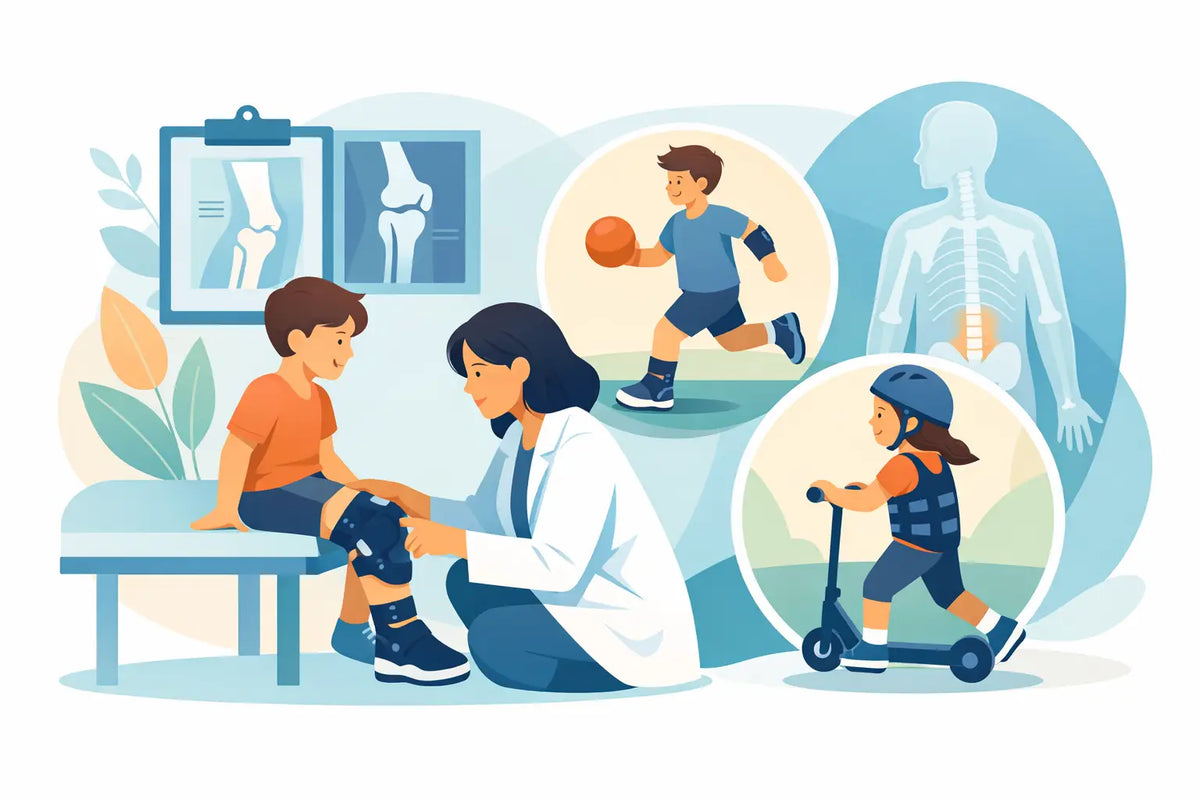
Depending on its construction, a pediatric brace may use compression, straps, integrated stabilizing elements, shaped knit fabric, or rigid components. These features can help guide joint movement, reduce excessive motion, improve proprioception, and provide a sense of security during activity. The objective varies by condition. An ankle support after a sprain has a different job than a knee brace used for patellar instability or an upper-limb orthosis used after trauma.
Bracing may be considered as part of care for ligament laxity, recurrent joint instability, sports injuries, post-fracture support, alignment concerns, neurological conditions, or recovery following treatment. It should not replace a clinical assessment when pain is severe, swelling is significant, a child cannot bear weight, or there is visible deformity. Those situations require prompt medical guidance.
Start With the Clinical Goal, Not the Body Part
It is easy to search for a knee, ankle, wrist, or back brace based on the location of discomfort. That is only the first step. The more useful question is: what does the brace need to do?
For a mild sprain during the later stages of recovery, compression and proprioceptive support may be enough. For recurrent ankle rolling, a more structured brace with lateral stabilization may be appropriate. After a fracture has been treated, the clinician may recommend a support that protects the area during the transition back to everyday movement. In each case, the required level of support is different.
A brace can generally be selected around one or more treatment goals:
- limiting a motion that could aggravate an injury
- supporting a joint during activity or rehabilitation
- providing compression to manage mild swelling and improve body awareness
- helping maintain a clinically recommended position
- protecting the area during a staged return to school, sport, or play
Consider the Child’s Daily Routine
A brace only works when it is worn at the right times and in the right way. Before choosing a product, consider footwear, school routines, gym class, outdoor play, sports equipment, and the child’s ability to put the brace on independently. An ankle support that does not fit into a running shoe may not be practical for a child who needs it at recess. A wrist brace with difficult closures may be challenging for a young child at school.
Comfort matters clinically, not just emotionally. Soft edges, breathable materials, low-profile construction, and secure but manageable closures can reduce skin irritation and improve adherence. Children may not always describe pressure points clearly, so parents should check the skin after initial wear and ask direct questions about pinching, numbness, rubbing, or changes in temperature.
Fit Is a Safety Feature
Sizing is especially important with pediatric orthopedic braces because children can grow quickly. Use the product’s measurement instructions rather than selecting by age alone. Two children of the same age can have very different limb circumference, proportions, and support requirements.
A correctly fitted brace should feel secure without causing pain, tingling, colour changes, or deep pressure marks that persist. It should stay in position during normal movement. If it slips, twists, bunches behind a joint, or requires repeated tightening, the size, model, or application technique may not be right.
For braces with straps, begin with the recommended position and tension rather than pulling every closure as tightly as possible. Compression and stabilization depend on correct placement. Over-tightening can be uncomfortable and may affect circulation, while loose application can reduce the brace’s intended function.
Parents should also check fit over time. A support that fit well at the beginning of a sports season may need reassessment after a growth spurt. Changes in swelling, muscle development, or the child’s activity level can also affect fit.
Signs the Brace Needs Review
A follow-up with the treating practitioner or brace provider is sensible if the child reports worsening pain, develops skin irritation, avoids wearing the brace, or seems less stable despite using it. The brace should also be reviewed if it becomes difficult to put on, no longer stays in place, or appears visibly worn.
Do not modify rigid components, cut straps, or add padding without professional advice. Small changes can alter how an orthosis controls movement and may create new pressure areas. If a fit adjustment is needed, it is better to address the cause than to improvise a solution at home.
Bracing Works Best Alongside Rehabilitation
For many pediatric conditions, a brace is one part of a broader treatment plan. That plan may include rest or activity modification, physiotherapy, range-of-motion work, strengthening, balance training, gait retraining, or a gradual return-to-sport protocol. The purpose of the brace may change as recovery progresses.
For example, a child may initially wear an ankle brace for walking, then use it only during higher-risk activity as strength and balance improve. A knee support may be recommended during rehabilitation exercises or sports participation but not throughout the entire day. Wear schedules should come from the clinician who understands the injury and the child’s progress.
This staged approach protects the joint without making the brace a permanent substitute for strength, coordination, and confidence. It also gives parents a clearer way to assess progress: not just whether pain has decreased, but whether the child can move, play, and participate more comfortably and safely.
Choosing a Quality Support for Pediatric Care
When comparing pediatric braces, look beyond the product category. Review the stated indications, support architecture, sizing range, material composition, closure system, and care instructions. A clinically informed design should explain how the brace stabilizes the area and for which situations it is intended.
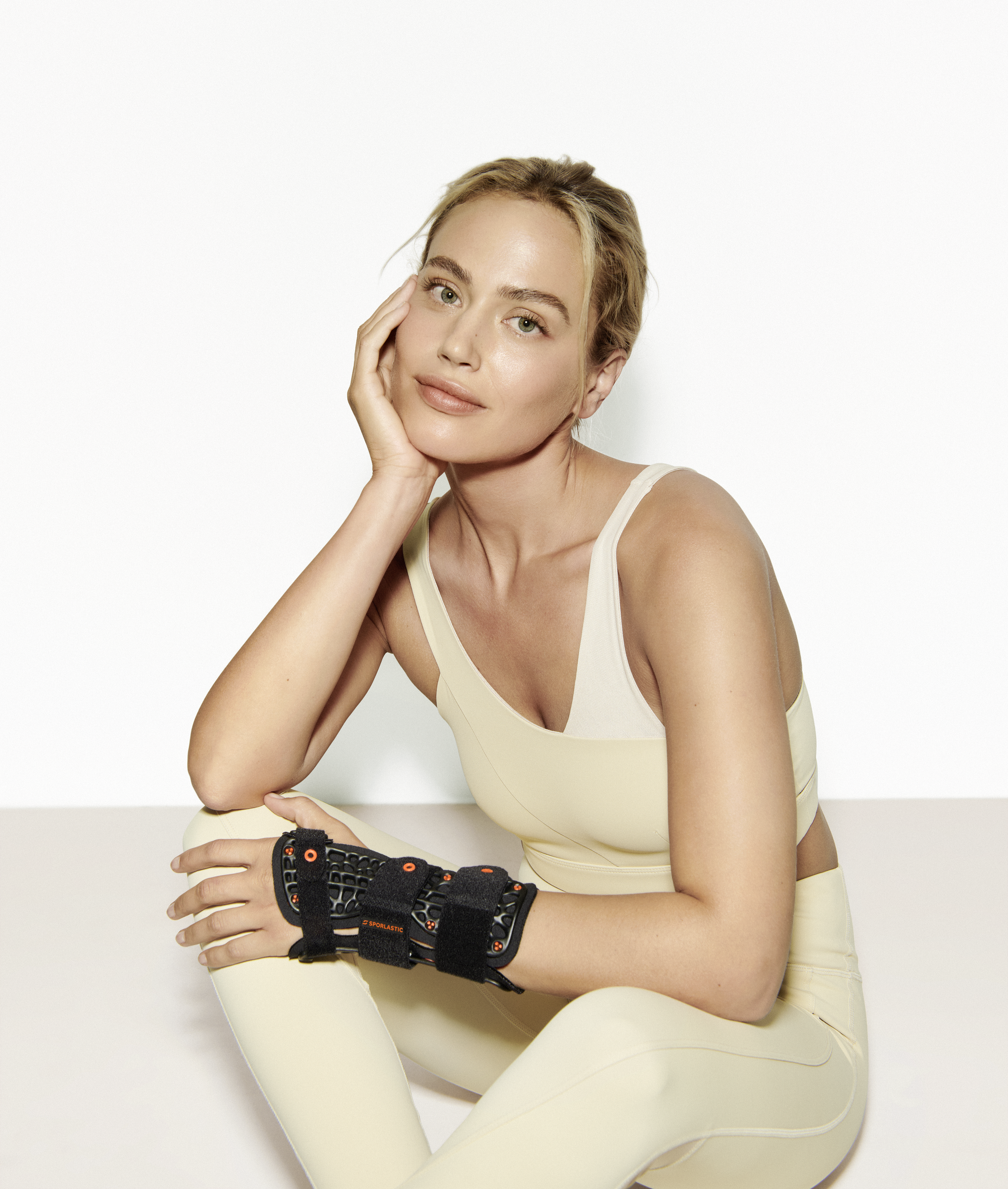
German-engineered orthotic design, such as the products offered by Sporlastic Canada, places emphasis on purposeful compression, anatomical shaping, and stabilization features that support treatment goals. Still, a premium brace is only appropriate if its function matches the child’s diagnosis and the practitioner’s recommendation.
For families purchasing a brace that may be submitted to an extended health insurer, keep the product documentation, receipt, and physician prescription where required by the plan. Coverage rules vary by insurer, product type, and prescription wording. Confirming those details before purchase can prevent unnecessary delays in reimbursement.
A well-chosen brace should help a child feel supported without making them feel held back. When the fit is checked, the clinical goal is clear, and the brace is used alongside appropriate care, it can become a practical part of getting back to the movements that matter most.


Leave a comment
This site is protected by hCaptcha and the hCaptcha Privacy Policy and Terms of Service apply.