
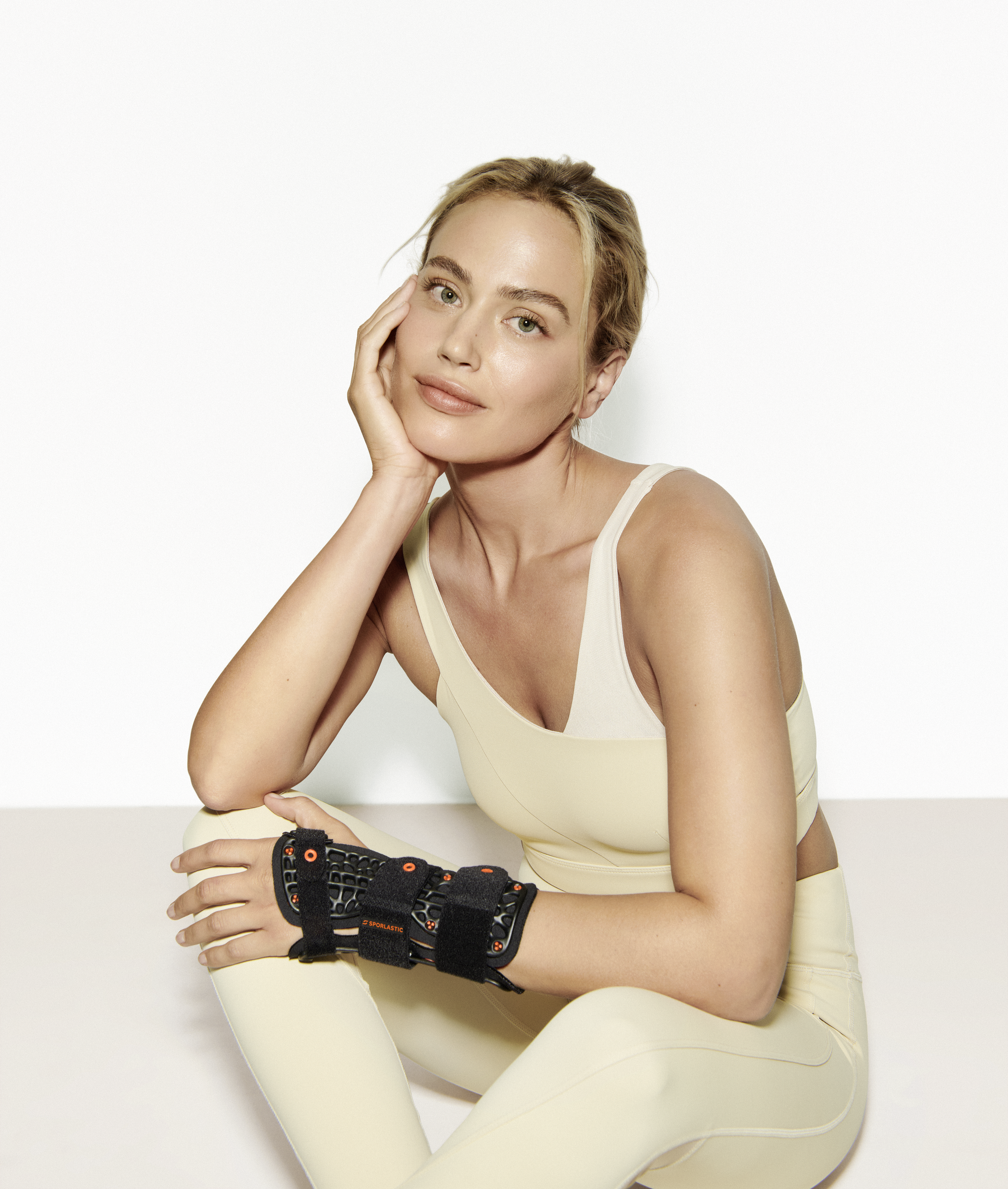

People believe back braces provide quick relief from back pain because they think of them as simple solutions. You put on the brace and it gives you protection so you can continue with your daily activities. Back braces help many people who experience discomfort because the braces provide support during their work and their recovery times.
People who use back braces for extended periods or who use the braces improperly will experience danger because the braces provide support. The understanding of risk factors enables you to operate the back brace from your home base while safeguarding against creating additional issues during your quest to solve the existing problem.
Let’s look at this honestly and simply.
Why People Use Back Braces
People usually turn to back braces for
- Lower back pain
- Poor posture
- Muscle strain or fatigue
- Recovery after injury
- Support during work or lifting
Braces create better comfort for users because they reduce body strain when users follow proper usage methods. When users depend excessively on devices or choose incorrect devices for their needs, they experience problems.
1. Muscle Weakness from Overuse
The primary danger that arises from continuous back brace usage is that users develop dependence on the device. The core and back muscles provide natural support for spine stability through their designed function.
Back braces that take over all support functions for extended periods will cause muscle problems because they force muscles to depend on them instead of using their normal strength. The body will start experiencing more intense back pain after a person stops using the brace.
Back braces should support muscles—not replace them.
2. Reduced Natural Movement
Rigid back braces create movement restrictions because they limit human body motion. The body needs temporary movement restrictions during injury recovery, but extended periods of movement limitations will cause
- Stiffness
- Reduced flexibility
- Joint discomfort
The spinal system of the body loses its natural movement ability which creates difficulties for the body to move when required to perform different actions.
3. False Sense of Security
Wearing a back brace creates a protective sensation which leads people to:
- Lift heavier weights
- Ignore proper posture
- Push through pain
People who believe they can handle intense situations without danger will experience higher chances of getting injured during their work tasks and their exercise routines.
Your body needs support from a brace which should not be used as an excuse for intensive physical activities.
4. Poor Fit Can Cause More Harm Than Good
A badly fitted back brace can create new problems which include:
- Uneven pressure on the spine
- Skin irritation or rashes
- Restricted breathing
- Increased pain in surrounding areas
A brace that’s too tight can restrict circulation, while one that’s too loose won’t provide proper support.
The fit of a brace holds equal value to its actual function.
5. Skin Irritation and Discomfort
Wearing a brace for long hours, especially in warm conditions, may lead to:
- Sweating
- Chafing
- Redness
- Skin infections
Braces create this situation because they touch the skin directly or use materials which block air circulation.
6. Ignoring the Root Cause of Pain
A back brace may reduce pain—but it doesn’t always solve the underlying problem.
People who depend on their brace need to solve their problems through these methods:
- Poor posture
- Weak core muscles
- Ergonomic issues
- Lifestyle habits
People will experience advanced discomfort when they depend on treatment which will begin after their correct treatment path is established.
Pain relief is helpful, but understanding why the pain exists is essential.
7. Wearing the Wrong Type of Brace
Not all back braces are the same.Using the wrong type leads to:
- Inadequate support
- Excessive restriction
- Increased discomfort
For example:
- A sports brace may not help chronic pain
- A rigid medical brace may be uncomfortable for daily wear
Your condition needs to match with the brace which you wear.
How to Use a Back Brace Safely?
To reduce risks, follow these simple guidelines:
The following two steps need to be followed to achieve risk reduction goals.
- The specific activities which require the brace should be used according to the specified time periods which need to be tracked.
- You should not wear it throughout the day because only a professional should make this determination.
- The combination of brace usage with strength-training exercises needs to be implemented.
- The user needs to develop proper postural and movement patterns.
- The user should select clothing which allows airflow and fits their body properly.
- The user should discontinue use of the device when they experience increased pain or unusual sensations.
A brace should serve as a component of a comprehensive treatment program which needs multiple treatment methods.
When You Should See a Professional
When to consult a doctor or physiotherapist:
- When pain persists despite wearing a brace
- When you feel numbness or tingling sensations
- When the pain gets worse over time
- When you are not sure which type of brace to wear
Seeking professional advice will ensure that the brace is not causing further delays in your recovery.
Final Thoughts
Back braces require proper usage to become useful medical devices. Back braces provide support to users which enables them to recover from injuries while they experience high-demand work situations. The excessive use of braces combined with incorrect fitting and improper usage will cause the user to develop muscular weakness and joint stiffness and become reliant on their braces.
People need to find a middle ground between their two extreme choices. People should pay attention to their physical condition and use braces to support their body and they should maintain their back health through physical activity and strength training and body awareness.
You need to use a back brace to improve your movement abilities instead of using it to restrict your physical activities.



Leave a comment
This site is protected by hCaptcha and the hCaptcha Privacy Policy and Terms of Service apply.