


Numb fingers at 3 a.m., a weak grip on a coffee mug, or tingling after a long day at a keyboard can make the wrist feel like the obvious problem. Often, the goal of a carpal tunnel wrist brace is more specific: to hold the wrist in a position that reduces unnecessary pressure on the median nerve while you sleep, work, or recover.
A brace is not a one-size-fits-all answer to hand symptoms. The right design, fit, wearing schedule, and clinical guidance all matter. For many people, purposeful wrist stabilization can be a useful part of a broader treatment plan that may also include activity modification, ergonomics, hand therapy, medication, injections, or further medical assessment.
What a carpal tunnel wrist brace is designed to do
Carpal tunnel syndrome involves compression or irritation of the median nerve as it travels through a narrow passage in the wrist. Symptoms can include tingling, numbness, burning, discomfort, or reduced sensation in the thumb, index finger, middle finger, and part of the ring finger. Some people also notice reduced grip strength or a tendency to drop objects.
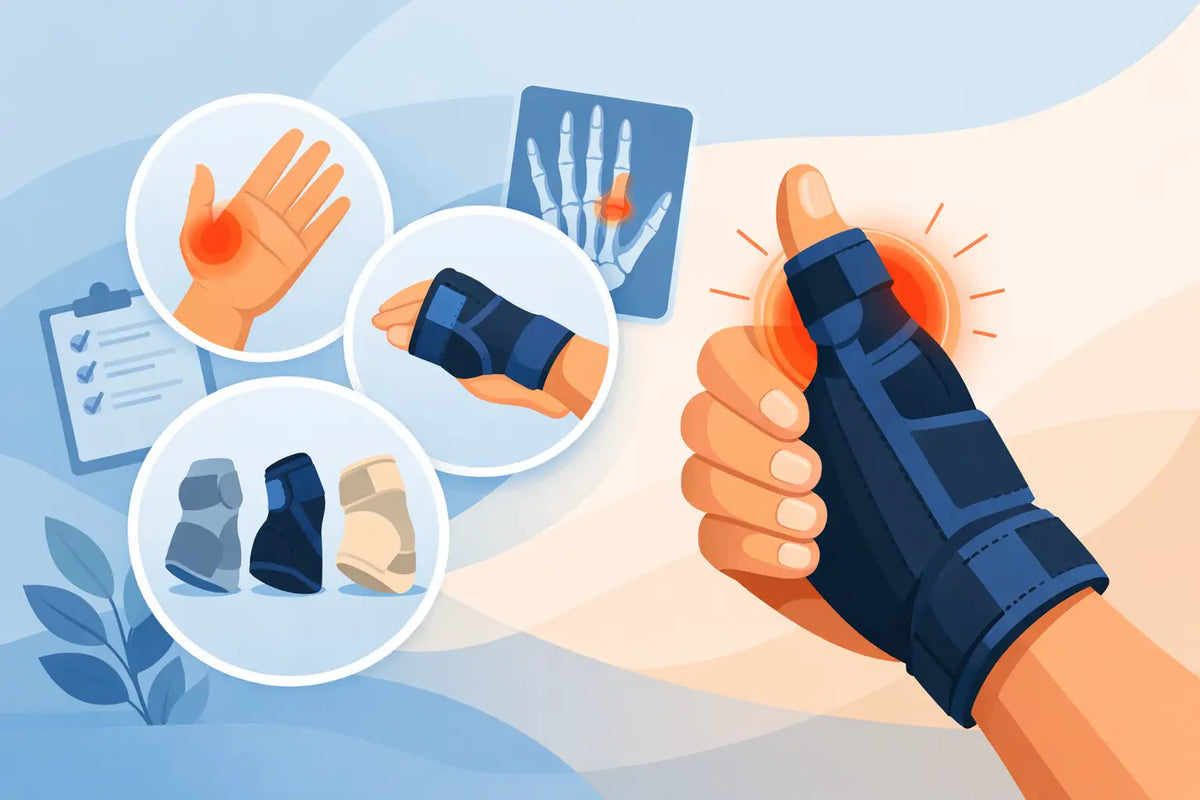
A wrist brace intended for carpal tunnel symptoms generally aims to maintain the wrist in a neutral or near-neutral position. This means the wrist is not held in a pronounced bend forward or backward. Bending the wrist can reduce available space within the carpal tunnel and may aggravate symptoms for some people, particularly during sleep when hand position is difficult to control.
The brace should provide stabilization without creating a new source of pressure. Thoughtful support architecture matters here: a shaped palmar stay can help guide the wrist position, while adjustable closures allow the wearer to secure the brace evenly. Soft, breathable materials and smooth edges are equally relevant when a brace will be worn for several hours at a time.
When wrist support may be appropriate
Night-time symptoms are a common reason to consider a carpal tunnel wrist brace. Many people unconsciously curl or flex their wrists while sleeping, then wake with numbness or pins and needles. A neutral-position night brace can limit this prolonged flexion and may make sleep more comfortable.
Daytime support can also be useful, but it requires more judgement. If repetitive tasks, vibration exposure, lifting, prolonged keyboard use, or tool handling bring on symptoms, a brace may help during selected activities or periods of recovery. Wearing a rigid support continuously through every task, however, is not always the best approach. It can be restrictive, may interfere with normal hand use, and can encourage over-reliance if it replaces appropriate exercise, workplace changes, or clinical care.
A physician, physiotherapist, occupational therapist, chiropractor, or orthopedic specialist can help determine whether symptoms are likely related to the carpal tunnel or another condition. Neck-related nerve irritation, tendon disorders, arthritis, injury, and other concerns can produce similar symptoms but may require a different support strategy.
Symptoms that deserve timely assessment
Do not rely on a brace alone if numbness is persistent, symptoms are worsening, or hand weakness is becoming noticeable. Changes such as visible muscle loss around the base of the thumb, difficulty with fine motor tasks, loss of sensation, or pain after an acute injury should be assessed by a qualified health professional.
This is particularly relevant when symptoms affect both hands, occur alongside neck pain, or do not improve with conservative measures. A well-designed brace can support a treatment plan, but it should not delay a needed diagnosis.
Choosing the right carpal tunnel wrist brace
The best brace is not necessarily the most rigid one. It is the one that supports the intended wrist position, fits comfortably, and suits the time and activity for which it is being used.
Start by considering the level of stabilization. A structured wrist brace with a palmar stay is often appropriate when the main goal is to limit wrist flexion and extension, especially overnight. For milder daytime symptoms or tasks where greater movement is necessary, a less restrictive support may be more practical. The trade-off is straightforward: more stabilization can provide more control, while a lighter design may be easier to wear during routine activities.
Fit is just as important as support level. A brace that is too loose may migrate or fail to hold the wrist in the intended position. One that is too tight can cause discomfort, leave deep marks, restrict circulation, or create pressure at the wrist crease. Measure according to the product-specific sizing instructions rather than guessing from glove size. If the product is available in left and right versions, select the correct side so the stabilizing element and closures sit as designed.
Look for a brace with adjustable fastening points rather than a single closure. Separate straps make it easier to secure the hand and forearm without overtightening one area. A removable or adaptable stay can also be useful where a clinician recommends changes in support level over the course of recovery.
Material choice affects consistency of wear. A night brace should feel comfortable against the skin and avoid bulky seams that can become irritating over several hours. For daytime use, consider breathable fabric, a low-profile silhouette under clothing, and sufficient durability for repeated fastening. Premium orthopedic supports are treatment tools, so their construction should match the demands of regular use rather than occasional wear.
How to fit and wear a wrist brace correctly
Place the brace with the wrist resting in its natural, straight alignment. The hand should not be forced upward, downward, or sideways to match the brace. Secure the closures from the hand toward the forearm, checking that the fit feels firm but not constricting.
After fastening, move your fingers. You should be able to make a gentle fist and use your thumb unless your clinician has given different instructions. Check for increased tingling, coldness, colour changes, pulsing, or pressure points. If these occur, loosen and reposition the brace. If symptoms persist, discontinue use and seek professional advice.
For night use, put the brace on shortly before bed and remove it in the morning unless your care provider recommends otherwise. For daytime use, wear it during the activity or time period that triggers symptoms rather than automatically all day. Keep track of what changes: sleep quality, morning numbness, task tolerance, and comfort are more useful measures than simply counting hours in the brace.
Make the brace part of a wider plan
A brace is most effective when it addresses a clear mechanical problem. If keyboard work aggravates symptoms, adjust the workstation so the keyboard and mouse allow the wrists to remain closer to neutral. Avoid resting the wrist directly on a hard desk edge, and take short movement breaks before symptoms become intense.
For physically demanding work, review grip force, tool handle size, repetitive motions, and vibration exposure where possible. Small adjustments in task setup can reduce the stress that keeps symptoms returning. A therapist may also prescribe nerve-gliding or tendon-gliding exercises, but these should be performed only as directed since the wrong intensity can provoke symptoms.
If you are purchasing a brace as part of a clinician-led treatment plan, keep the product receipt and any required documentation. Many extended health plans require a physician prescription for reimbursement of orthopedic supports. Requirements vary by insurer, so confirm the relevant policy details before purchasing. Sporlastic Canada provides product documentation designed to support this process when a prescription is required.
Care, replacement, and realistic expectations
Follow the product care instructions to preserve the shape, fastening strength, and hygiene of the brace. Close hook-and-loop straps before washing if instructed, allow the support to dry fully, and inspect it periodically for worn closures, damaged stays, or stretched fabric. A brace that no longer holds its shape may no longer provide the intended wrist positioning.
Relief can be gradual. Some people notice less night-time numbness quickly, while others need several weeks of consistent use alongside changes to work habits or therapy. If the brace is uncomfortable, symptoms increase, or there is no meaningful improvement, reassessment is more useful than simply tightening the straps or wearing the support longer.
The right wrist brace should feel purposeful, not punitive: stable enough to protect a vulnerable position, comfortable enough to use consistently, and selected with the actual cause of your symptoms in mind.


Leave a comment
This site is protected by hCaptcha and the hCaptcha Privacy Policy and Terms of Service apply.