
A painful heel on the first steps of the morning, a foot that rolls inward after a long shift, or recurring discomfort during a run can change how the entire lower body moves. Foot orthoses are designed to influence that movement from the ground up. They are not simply cushioned inserts. The right orthosis can help manage pressure, guide foot position, support selected structures and make activity more tolerable while you follow a broader treatment plan.
For Canadians choosing a support for themselves or recommending one to a patient, the useful question is not, “Which insert is best?” It is, “What does this foot need during the activities that currently cause symptoms?” The answer depends on the diagnosis, footwear, walking demands, foot shape and the level of support that can be worn consistently.
What Foot Orthoses Are Designed to Do
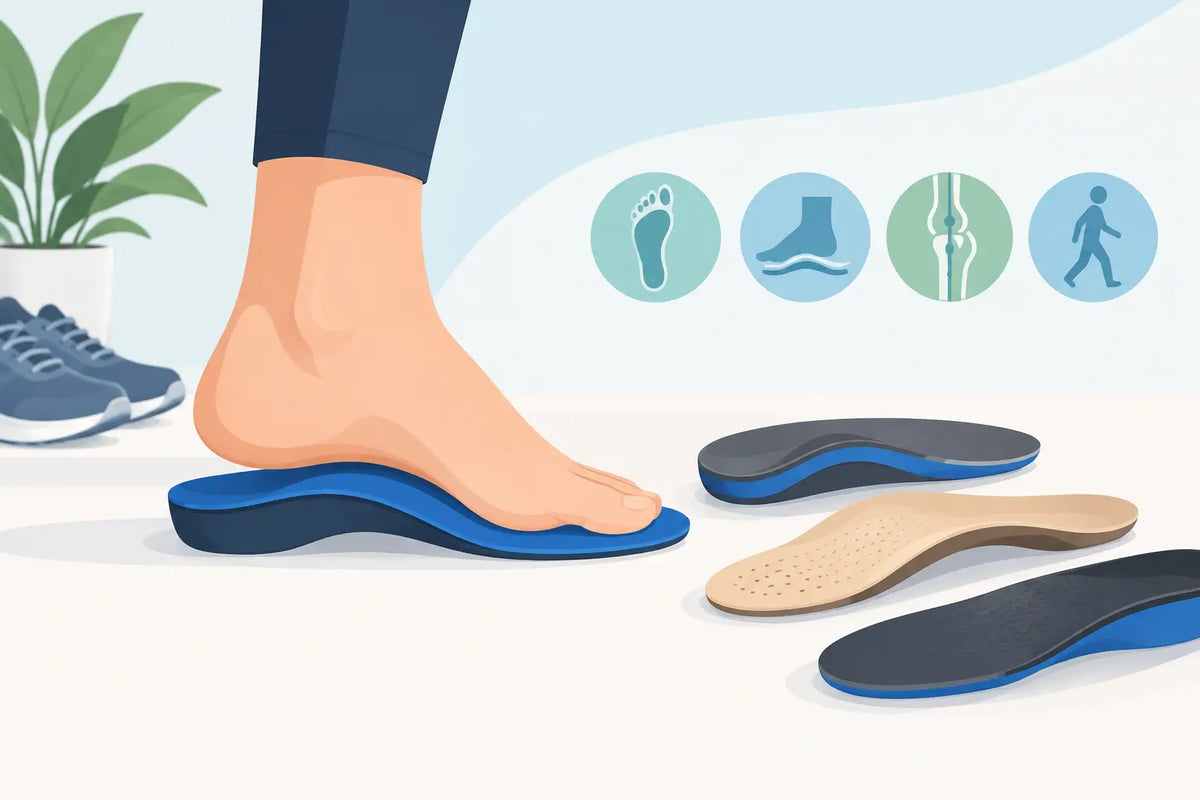
Foot orthoses are devices placed inside footwear to support, accommodate or influence the function of the foot. They may be prefabricated or custom-made, full-length or three-quarter length, flexible or more structured. Some are intended primarily for cushioning, while others use a shaped heel cup, arch contour, posting or targeted padding to change how forces are distributed during standing and movement.
Their purpose is not to force every foot into a single “ideal” position. Feet vary substantially, and so do the causes of pain. A useful orthosis may reduce strain in one area, improve tolerance for a particular activity or provide a more stable base for the ankle and lower leg. For a person with forefoot pressure, accommodation may matter most. For someone with pronounced inward rolling of the foot, a more controlling design may be considered.
Orthoses are commonly included in conservative care for concerns such as plantar heel pain, metatarsalgia, arch discomfort, tendinopathy, mild foot instability and symptoms associated with altered foot mechanics. They may also be used alongside physiotherapy, footwear changes, activity modification and, when appropriate, an ankle or foot support. They do not replace an assessment when pain is severe, persistent, unexplained or associated with swelling, numbness, skin changes or an inability to bear weight.
Foot Orthoses and Insoles Are Not Always the Same
The terms are often used interchangeably, but their functions can differ. A soft, flat insole may improve shoe comfort and absorb some impact. A foot orthosis usually has a more intentional shape or construction intended to provide support, redistribute loading or influence motion.
That distinction matters when selecting a product. Extra cushioning can be helpful for fatigue and pressure sensitivity, but cushioning alone may not address a foot that feels unstable or a heel that requires firmer containment. Conversely, an overly rigid orthosis may be uncomfortable in a sensitive foot or unsuitable for footwear with limited volume.
There is also a difference between foot orthoses and ankle-foot orthoses. An ankle-foot orthosis extends upward to support the ankle and lower leg, often for more significant weakness, gait changes or neurological indications. A foot orthosis remains within the shoe and focuses on the foot. The right category should reflect the level of support required, not simply the location of discomfort.
Start With the Problem You Need to Solve
A decision begins with the symptoms and the context in which they occur. Heel pain that is most noticeable after rest has different demands than forefoot burning after several hours in safety footwear. Discomfort that develops only during sport may require a solution compatible with training shoes, while a person who stands at work may need durable support that fits reliably in everyday footwear.
Consider where pain is felt, when it appears, and what seems to aggravate or relieve it. Also consider whether one foot differs from the other. Uneven wear on shoes, a history of ankle sprains, changes in gait after knee or hip discomfort, and a recent increase in walking or training can all be relevant information for a health practitioner.
A clinician may assess foot posture, joint mobility, strength, gait, footwear and the response to manual support. This assessment helps distinguish between a foot that needs more accommodation and one that may benefit from more control. It also helps identify when symptoms are unlikely to be resolved by an orthosis alone.
Support, cushioning and control involve trade-offs
More support is not automatically better. A firm arch contour can feel stabilizing for one person and intrusive for another. A highly cushioned insert can feel comfortable at first but may take up too much shoe volume or allow excessive movement if stability is the primary issue.
Footwear is part of the equation. A supportive orthosis needs a shoe with enough depth, a stable heel counter and a removable factory insole whenever possible. Trying to layer an orthosis over an existing insert can crowd the foot, alter fit and create new pressure points. Dress shoes, work boots, walking shoes and athletic footwear each place practical limits on thickness and length.
Choosing the Appropriate Type of Orthosis
Prefabricated foot orthoses are often a practical starting point for mild to moderate symptoms, temporary support needs or situations where a clinician has identified a suitable design. They are available in common sizes and can provide defined features such as arch support, heel cupping or forefoot cushioning without the wait and cost associated with a custom device.
Custom foot orthoses are fabricated from an assessment or impression of the individual foot. They may be appropriate when symptoms are complex, there is marked asymmetry, a significant deformity is present, or standard options have not achieved a comfortable fit. Custom does not automatically mean superior for every condition. Its value lies in the ability to tailor shape, materials and modifications to a specific clinical need.
Material selection also changes the experience. Softer materials are often selected where shock absorption and pressure redistribution are priorities. Semi-rigid materials may offer a balance of comfort and functional support. More rigid designs can provide stronger control but require careful fitting and an appropriate shoe. People with diabetes, reduced sensation, circulation concerns or a history of foot ulcers should seek professional guidance before using any device that changes pressure under the foot.
A Sensible Break-In Period
Even a well-chosen orthosis can feel unfamiliar. The foot, shoe and lower limb need time to adapt to a new contact pattern. Unless a clinician provides different instructions, begin with short periods of indoor wear and increase gradually over several days. Pay attention to comfort during use and to symptoms later that day or the following morning.
Mild awareness of the arch or heel cup can be expected initially. Sharp pain, numbness, rubbing, blisters or worsening symptoms are not signs to push through. Remove the orthosis and arrange a review with the prescribing clinician or retailer where appropriate. Small adjustments in footwear, sizing or orthosis placement can make a meaningful difference.
Replace worn footwear and inspect the orthosis regularly. A compressed heel area, cracked shell, flattened cushioning layer or worn cover can reduce performance and alter comfort. The useful lifespan varies with material, body weight, activity level and how often the device is used.
When an Orthosis Should Be Part of a Wider Plan
Foot orthoses work best when they support a clear rehabilitation or management strategy. For an active person, that may include progressive loading, calf and foot strengthening, training adjustments and a review of running shoes. For a worker on hard floors, it may involve footwear selection, task modification and strategies to manage standing time. For an older adult, balance, mobility and the ability to put footwear on safely may be equally important.
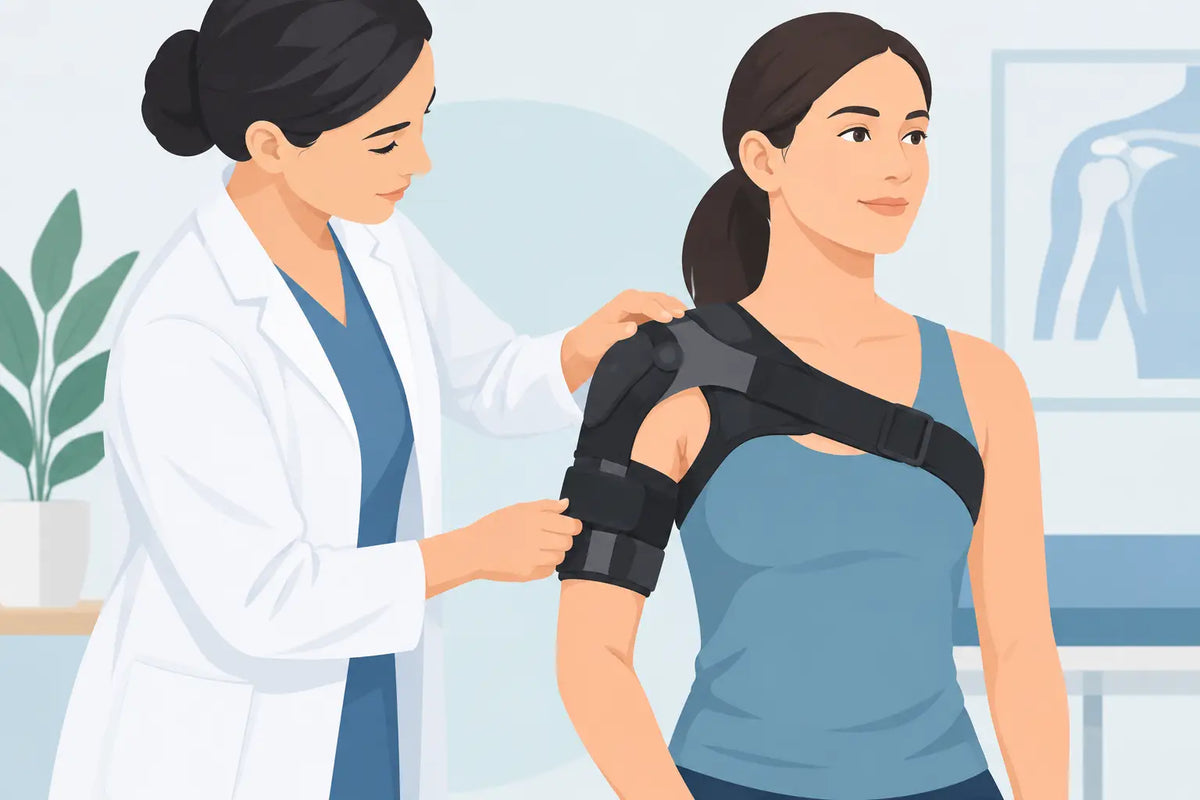
A practitioner can also determine whether compression, an ankle brace or another stabilization product is appropriate alongside the orthosis. At Sporlastic Canada, orthopedic supports are approached as purposeful components of musculoskeletal care, with the goal of helping people move more comfortably and confidently within the limits of their condition.
If you are pursuing insurance reimbursement, check the requirements before purchase. Many plans require a physician prescription and supporting documentation, while coverage rules for prefabricated and custom orthoses can differ. Keeping invoices, product details and clinical documentation organized can make the claims process clearer.
The best foot orthosis is one that addresses a defined need, fits the footwear you actually wear and remains comfortable enough to use consistently. A careful assessment and a gradual start give the support its best chance to help you return to the walking, work or activity that matters to you.

Leave a comment
This site is protected by hCaptcha and the hCaptcha Privacy Policy and Terms of Service apply.