

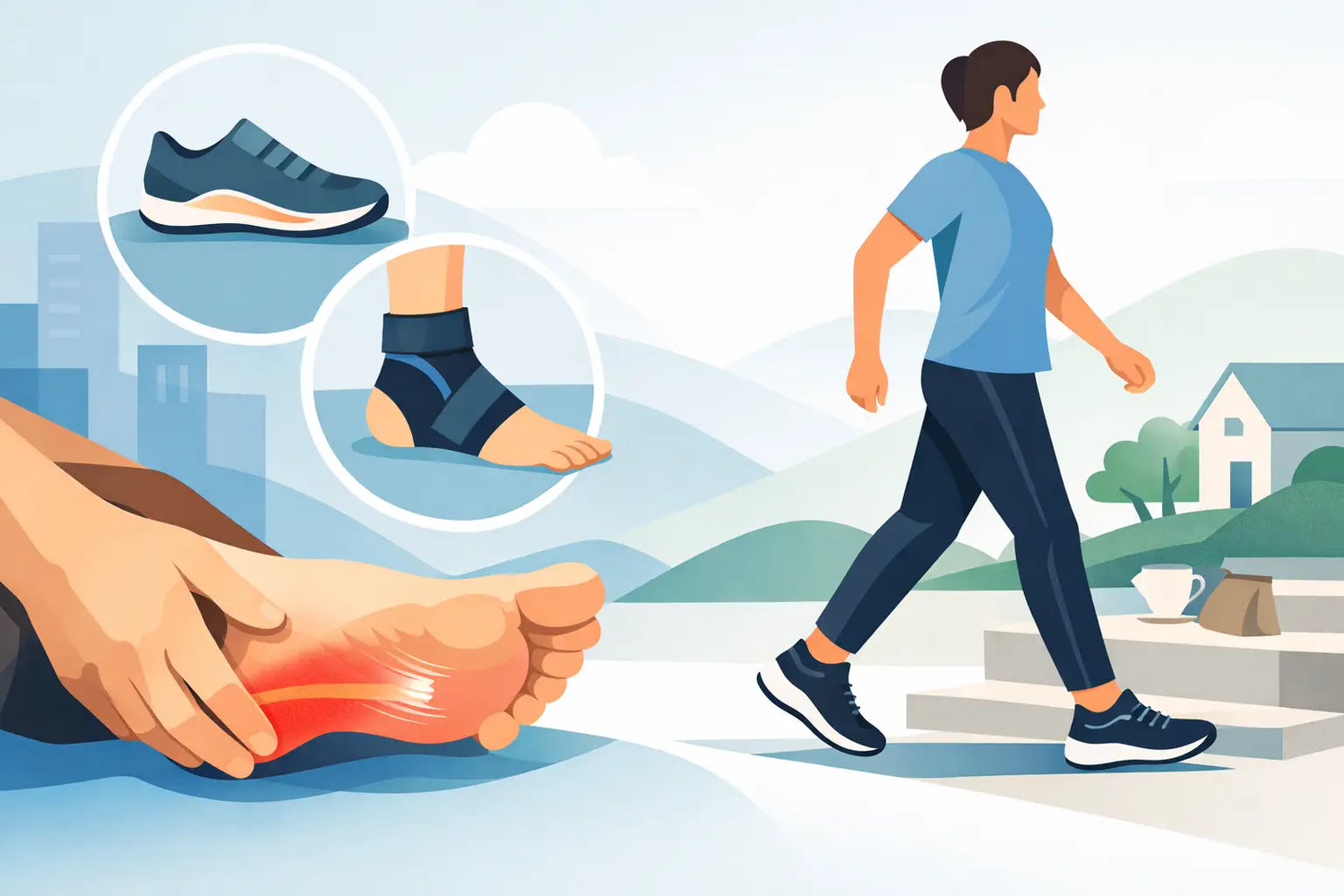
The first few steps after getting out of bed can be the most telling. A sharp ache at the heel or along the arch that eases slightly once you begin moving is a common plantar fasciitis pattern. Effective plantar fasciitis support is not simply about making a shoe feel softer. It is about reducing repeated strain on the plantar fascia while helping you stay comfortable and mobile through work, exercise, and recovery.
The right approach depends on your symptoms, footwear, daily demands, and any guidance from your physician or therapist. For some people, a structured insole is the key piece. For others, it is a combination of supportive footwear, a compression support, stretching, and a temporary adjustment to training or standing time.
What plantar fasciitis support should do
The plantar fascia is a strong band of tissue that runs from the heel bone to the toes. It supports the arch and helps transfer force as you walk, run, climb stairs, or push off from the ground. When it becomes overloaded or irritated, pain often develops close to the inside of the heel.
A well-chosen support strategy should address the forces contributing to that overload. This may include cushioning under the heel, structured arch support, gentle compression, or improved stability through the foot and ankle. These features serve different purposes, so the best choice is rarely a matter of selecting the most padded option.
Heel cushioning can reduce the impact felt at a sensitive heel. Arch support can help distribute load along the foot rather than allowing the arch to flatten excessively during stance. Compression may provide a more secure, supported feeling and can be useful when mild swelling or soft-tissue discomfort accompanies activity. A foot or ankle support with an appropriate fit can also help some people feel more confident during a gradual return to movement.
Support is most useful when it fits the condition and the activity. A person standing on concrete for eight hours has different needs from a runner returning after a flare-up or an older adult whose foot pain is affecting balance and walking tolerance.
Start with footwear and the support inside it
Footwear is the foundation of plantar fasciitis management because it affects every step you take. Shoes that are overly flexible, worn down at the heel, or very flat may allow more stress through the plantar fascia. This does not mean every person needs a rigid shoe. It means the shoe should provide a stable base, a secure heel fit, and enough internal volume to accommodate an insole or support without crowding the foot.
A structured foot orthosis or insole can be particularly helpful when pain is linked to prolonged standing, walking, or sport. Look for an option that supports the arch without creating a hard pressure point. The correct arch contour should feel supportive, not aggressive. If an insole causes numbness, rubbing, new toe pain, or increased heel pain, its shape, thickness, or placement may not suit your foot or footwear.
Give a new insole time. Wearing it all day on the first day can be uncomfortable, especially if your feet are not accustomed to arch support. Begin with shorter periods and increase use gradually over several days. This is also a practical way to identify whether discomfort is coming from the insole itself or from an activity level that is still too high.
Do not overlook shoe fit
A support product can only work as intended when the shoe fits properly around it. Remove a factory insole if the shoe is designed to allow it, then ensure the heel remains secure and the toes have room to move. A cramped toe box can alter your gait and create a different problem than the one you are trying to solve.
For work footwear, consider whether your safety shoe or boot has sufficient depth for a supportive insert. For athletic shoes, evaluate both the midsole condition and the outsole wear pattern. A shoe that has collapsed on one side may not provide a stable platform, even with a quality insole inside it.
When compression and stabilization may help
Compression supports are not a replacement for arch support, but they can play a useful role in a broader treatment plan. A low-profile compression foot support may provide comfortable containment during daily activity, particularly when the foot feels fatigued or mildly swollen. The material should sit smoothly against the skin and remain in place without excessive rolling or tightness.
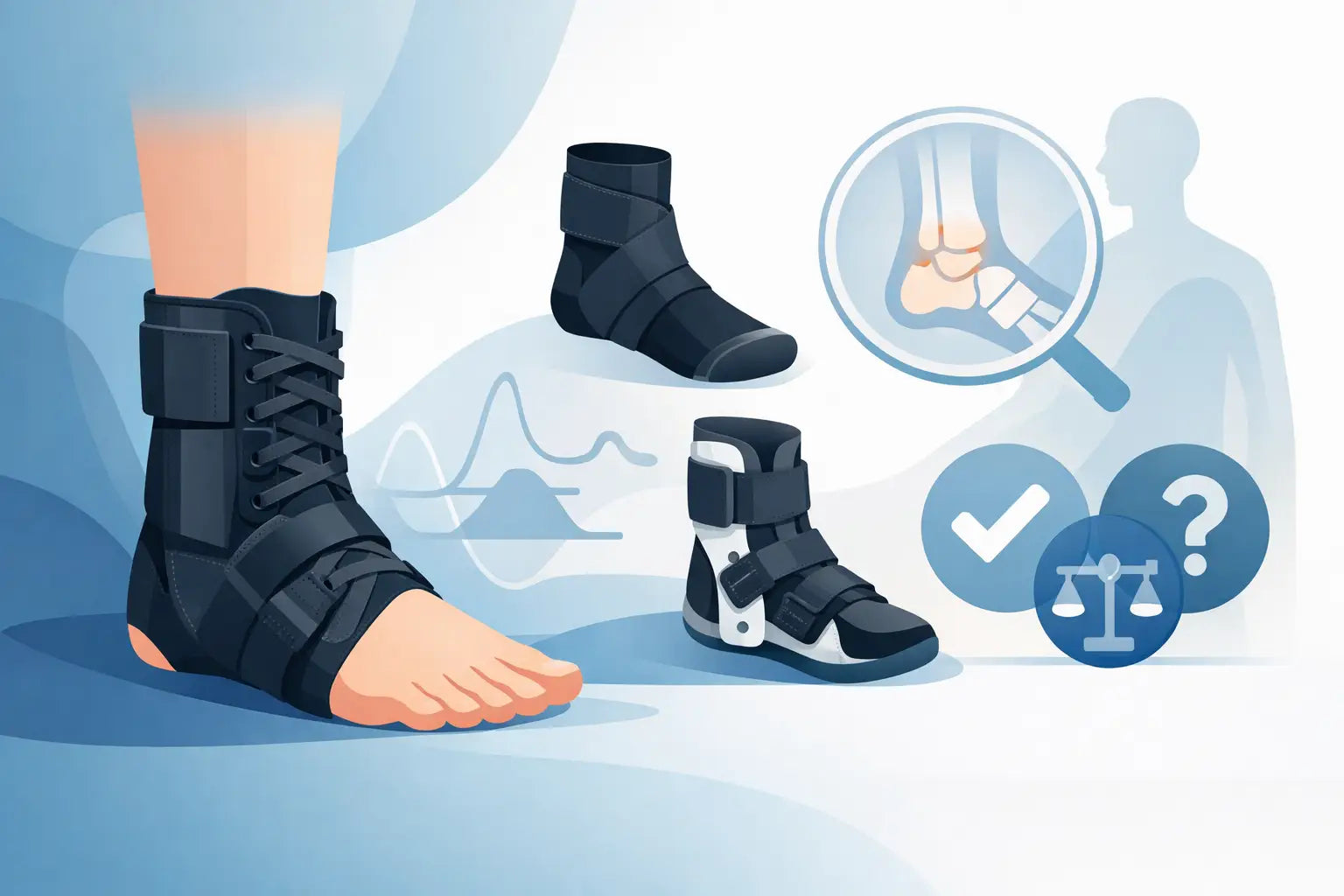
An ankle support may be relevant when plantar heel pain occurs alongside ankle instability, previous sprain history, or reduced confidence on uneven ground. Stabilizing the ankle does not directly treat the plantar fascia, but it may help control movement patterns that contribute to discomfort for some individuals. This is a situation where assessment by a physiotherapist, physician, or other qualified practitioner is especially valuable.
Compression should feel firm but not restrictive. Remove the support and seek advice if you experience tingling, numbness, colour changes in the toes, unusual coldness, or increasing pain. Individuals with circulatory concerns, diabetes-related sensation changes, skin conditions, or significant swelling should ask a health professional before using compression products.
Build a routine around your most painful moments
Plantar fasciitis often responds better to consistent load management than to complete rest. Staying off your feet for a short period may settle an acute flare, but the foot still needs gradual, appropriate loading to regain tolerance. The goal is to reduce aggravating strain without becoming inactive.
Morning can be a high-risk time because the plantar fascia and calf complex may feel stiff after rest. Before standing, gently move the ankle up and down, circle the foot, and slowly stretch the toes back toward the shin. A brief calf stretch can also be useful. Keep the stretch controlled rather than forcing the foot into pain.
During the day, plan around the activities that consistently trigger symptoms. If standing at work is the issue, short seated breaks and a supportive indoor shoe may be more useful than waiting until pain becomes severe. If running causes a flare, reducing distance, speed work, hills, or frequency for a period may allow you to maintain conditioning through lower-impact options while symptoms settle.
A simple strength program is often part of rehabilitation. Calf strengthening, controlled heel raises, and exercises that improve foot control can help the lower leg and foot manage load more effectively. The right dosage matters. Pain that remains mild and settles by the next day may be acceptable during rehabilitation, while sharp pain or progressively worse morning symptoms suggests the activity needs to be adjusted.
Choosing plantar fasciitis support for your routine
When comparing supports, start with the problem you need to solve rather than a general product category. If heel impact is the main concern, prioritize heel cushioning and a stable shoe. If the arch feels strained after long shifts, an insole with supportive arch contour may be more relevant. If the foot also feels tired, mildly swollen, or less secure, compression may be a useful addition.
Consider the following practical factors before purchasing:
- Your footwear: Check whether the support will fit in work shoes, boots, athletic footwear, or casual shoes you wear most often.
- Your activity: A product for all-day standing may differ from one used during a return to sport or short walks.
- Your fit: Follow the manufacturer’s sizing instructions carefully. A support that slides, bunches, or creates pressure points will not provide dependable comfort.
- Your treatment plan: If you have been assessed by a practitioner, choose equipment that aligns with the recommended level of compression, stabilization, or off-loading.
Know when heel pain needs further assessment
Not every heel or arch pain is plantar fasciitis. Pain after a significant injury, inability to bear weight, bruising, marked swelling, numbness, fever, or pain that is steadily worsening should be assessed promptly. Persistent pain that does not improve with sensible footwear changes, activity modification, and a consistent support routine also warrants professional evaluation.
A clinician can help rule out other causes, such as nerve irritation, tendon conditions, stress injury, inflammatory conditions, or a problem originating higher up the leg. They can also assess calf flexibility, gait, footwear wear, ankle motion, and foot mechanics to determine whether an orthosis, compression support, stabilization product, or a different treatment approach is appropriate.
Plantar heel pain can make every step feel like a negotiation. Begin with support that fits your actual day, introduce changes gradually, and pay attention to how your foot responds the next morning. A comfortable, well-fitted combination of footwear, targeted support, and progressive movement can make the path back to regular activity far more manageable.

Leave a comment
This site is protected by hCaptcha and the hCaptcha Privacy Policy and Terms of Service apply.