

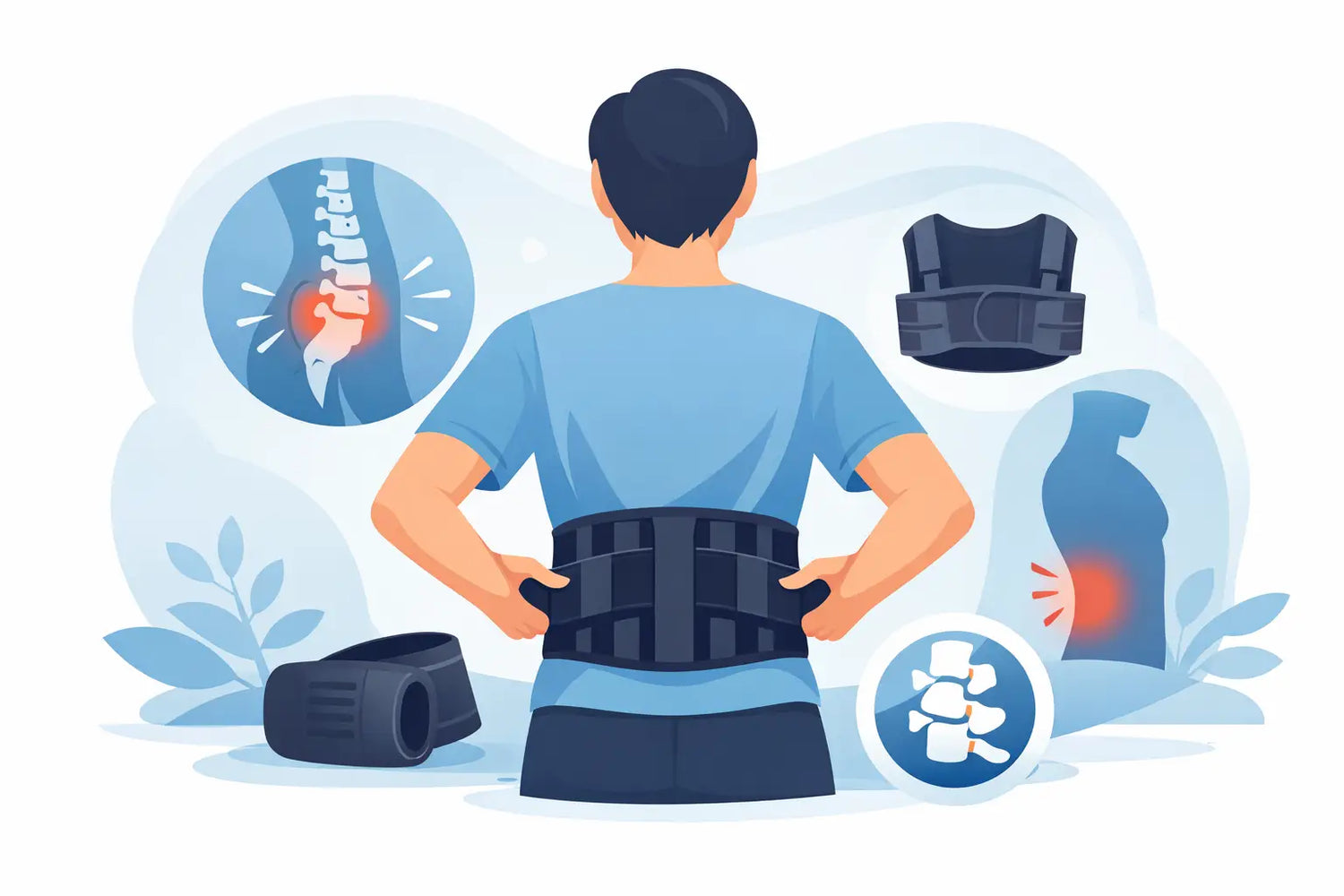
A lower back brace for pain is most useful when it matches the reason your back is hurting and the activities you need to keep doing. The right support can provide a steadier, more secure feeling during work, walking, household tasks, or rehabilitation. The wrong one may feel bulky, restrictive, or simply provide less support than your situation calls for.
Back pain has many causes, from a short-term muscle strain after lifting to recurring discomfort related to degenerative changes, reduced trunk control, or a physically demanding job. A brace is not a replacement for diagnosis, movement therapy, or medical care. It is a purposeful treatment tool that can support your treatment plan by helping manage load, posture awareness, and confidence in daily movement.
What a Lower Back Brace for Pain Can Do
A well-designed lumbar brace supports the lower spine and surrounding soft tissues through compression, stabilizing elements, or both. Compression can create a contained, supported sensation around the abdomen and lower back. This may improve body awareness, sometimes called proprioception, and make it easier to maintain a controlled position during activities that normally provoke symptoms.
More structured braces add reinforcement through stays, panels, or adjustable straps. These features are intended to limit excessive movement rather than eliminate movement altogether. That distinction matters. The goal is usually to help you move more comfortably and safely, not to make the back passive.
For someone returning to a warehouse shift, a brace may provide support during lifting and repeated bending. For an active adult recovering from an acute flare-up, it may help make short walks or daily errands more manageable. For a person with chronic low-back discomfort, the value may be in using support selectively during higher-demand tasks.
Results vary with the underlying condition, fit, and how the brace is used. If pain is worsening, persistent, or accompanied by new symptoms, a clinician should assess the cause rather than relying on a brace alone.
Start With the Type of Pain and Activity
Before choosing a brace, consider when symptoms occur. Pain that appears after an awkward lift or a period of unusual activity may call for a different approach than pain linked to spinal instability, post-treatment recovery, or long-standing degenerative changes.
A softer, elastic lumbar support is often appropriate when the main need is light to moderate compression and a reminder to avoid abrupt movements. These supports generally fit more easily under clothing and can suit sitting, driving, light work, walking, and gradual return to exercise.
When the back feels unstable, symptoms increase with bending or lifting, or a practitioner has recommended greater control, a more structured orthosis may be more appropriate. Adjustable tension systems allow the level of support to be changed throughout the day. Reinforcing stays can provide more defined stabilization across the lumbar region while preserving a practical fit for everyday use.
A highly supportive brace is not automatically better. Too much structure can be uncomfortable during prolonged sitting or unnecessary for a mild strain. Conversely, a thin elastic support may not give enough control during a demanding return-to-work period. The best choice is the least restrictive support that still meets the clinical and functional need.
Situations That May Need Professional Guidance
Speak with a physician, physiotherapist, chiropractor, occupational therapist, or orthopedic specialist if you have been diagnosed with a spinal condition, are recovering after a procedure, or have been prescribed an orthosis. Their guidance can help determine the required support level, wearing schedule, and whether a particular design is appropriate.
Seek prompt medical attention for severe pain after trauma, new leg weakness, numbness around the groin or saddle area, loss of bladder or bowel control, fever with back pain, or unexplained weight loss. These symptoms require assessment and should not be managed with a brace alone.
Key Features to Compare in a Back Brace
The construction of a lumbar brace determines how it feels and how much control it provides. Product descriptions should identify the support architecture rather than only using broad terms such as “back support.”
Compression is one consideration. Elastic knit or textile materials can apply comfortable, even pressure around the trunk. For many users, this is valuable during movement because it provides feedback without making the brace feel rigid. Breathable, skin-friendly materials are especially relevant for long workdays and warmer conditions.
Stabilization is another. Flexible or shaped stays help a brace maintain its position and can guide the lower back into a more supported posture. Wider posterior panels typically distribute pressure across a larger area. This can feel more secure for people who need additional lumbar control, although a wider design may be less discreet under fitted clothing.
Adjustability is often the practical difference between a brace that stays in a drawer and one that is used consistently. A two-part closure or pull-tab system can make it easier to apply the brace independently and fine-tune tension. Consider whether you will need to loosen it after sitting, tighten it before a task, or remove it easily at the end of a shift.
Finally, look at wearability. Smooth edges, low-profile closures, and materials that manage moisture can make a meaningful difference. German-engineered orthopedic supports, including those available from Sporlastic Canada, are designed with these daily-use details in mind, combining clinically informed stabilization concepts with functional comfort.
Sizing Is Part of the Treatment
A brace cannot work as intended if it is too loose, rolls up, pinches, or restricts breathing. Do not choose a size based only on your usual clothing size. Follow the product-specific measurement instructions, which commonly use waist or hip circumference measured at a defined anatomical point.
Measure over light clothing or directly against the skin, depending on the instructions. Keep the tape level and comfortably snug without pulling it tight. If your measurement falls between sizes, the product guide and your clinician’s recommendation should guide the decision. A more adjustable design may accommodate small day-to-day changes in circumference, but it should not be used to compensate for an incorrect size.
When first applying a brace, centre the supportive back section over the lower lumbar area and fasten it so it feels secure but not constricting. You should be able to breathe normally, sit, and walk without significant pinching. Numbness, tingling, skin irritation, or marked pressure points are signs to remove the brace and reassess fit.
Wear It Strategically, Not Constantly
A brace is often most useful during the activities that challenge your back: lifting, standing for extended periods, commuting, yard work, or the early stages of a return to normal routine. Your practitioner may recommend a specific wearing schedule following injury or treatment. Follow that plan, particularly if the brace has a higher level of stabilization.
For general lower-back discomfort, many people use a support intermittently rather than all day. This approach can provide help when needed while leaving room for the movement, strengthening, and mobility work that supports long-term function. If you find you need the brace more often over time, or pain is limiting more activities despite support, arrange a clinical review.
Wear the brace over a thin layer of clothing when possible, unless its instructions indicate otherwise. This can improve comfort and protect the skin. Check the brace periodically for worn closures, bent stays, or fabric damage, as these can affect positioning and performance.
Think Beyond the Brace
The most effective use of a lumbar support sits within a broader plan. That may include guided exercises to improve trunk and hip strength, changes to lifting technique, worksite modifications, pacing strategies, and treatment for the specific source of pain. For example, a brace may make a shift more manageable, but adjusting the height of a work surface or using a lift aid may reduce the strain that triggered symptoms in the first place.
If you are purchasing a brace following a professional recommendation, keep your prescription and product documentation. These records may be needed when submitting a claim to an extended health insurance provider. Coverage requirements differ by plan, so confirm the details before purchase.
Choose support that helps you participate in the parts of life that matter, whether that means a safer return to work, more comfortable walks, or confidence during rehabilitation. A properly fitted lower-back brace can be a valuable part of that progress when it is selected for your needs and used alongside appropriate clinical care.

Leave a comment
This site is protected by hCaptcha and the hCaptcha Privacy Policy and Terms of Service apply.