

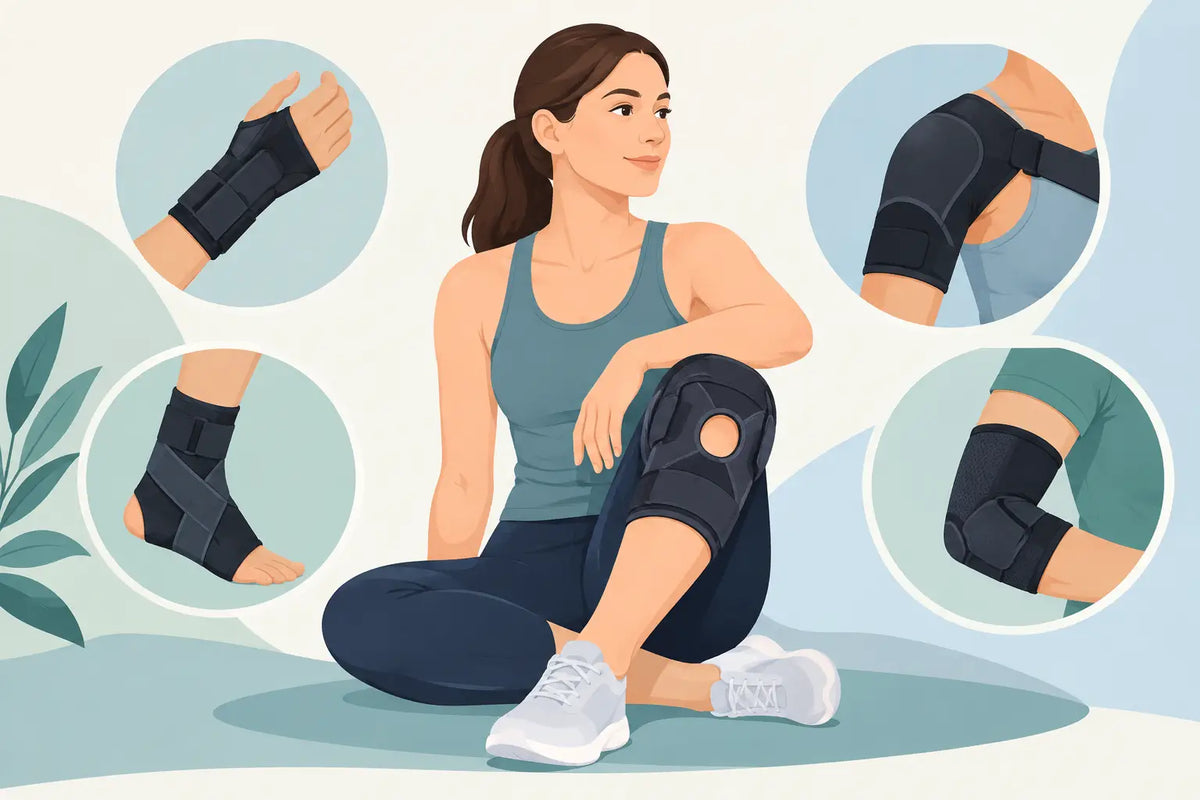
A joint that moves beyond its comfortable, controlled range can feel unpredictable long before it looks visibly injured. The best braces for hypermobility are not necessarily the most rigid options. They are the supports that stabilize the specific joint, suit the task at hand, and still allow enough movement for walking, working, exercising, or completing a rehabilitation plan.
Hypermobility affects people differently. One person may need occasional wrist support for computer work, while another experiences recurrent ankle rolling, knee instability, thumb pain, or shoulder fatigue. A well-chosen brace can be a purposeful part of symptom management, but it should complement clinician-guided strengthening, pacing, and movement retraining rather than replace them.
Why hypermobile joints may benefit from bracing
Ligaments and joint capsules provide passive restraint. When they are more lax, muscles must do more work to keep a joint centred and controlled. Repetitive demands can then lead to fatigue, aching, a feeling of giving way, or difficulty judging joint position.
A brace can provide external guidance through compression, straps, stays, hinges, or targeted reinforcement. Depending on its design, it may limit an unwanted end-range movement, reduce side-to-side motion, support proprioceptive awareness, or make daily activity feel more manageable. The goal is not to immobilize every flexible joint. It is to provide the right amount of control for the activity and symptoms.
Bracing needs can also change. A support used during a flare, after a minor sprain, or for a demanding work shift may be different from the one used for a short walk or a gym session. This is why the “best” brace is usually a category and fit decision, not a single universal product.
Choose the best braces for hypermobility by joint
Start with the joint that is limiting function most. Consider what happens when symptoms occur: does the joint roll, buckle, overextend, shift, ache after repetitive movement, or become painful at a particular end range? That pattern helps determine the support architecture required.
Ankle braces for recurrent rolling or instability
For an ankle that repeatedly rolls inward or feels unreliable on uneven ground, look for a stabilizing ankle brace with structured side support, figure-eight strapping, or a lacing system that helps control inversion and eversion. These features are generally more suitable than a simple elastic sleeve when the concern is true instability.
Compression sleeves can still be useful for mild swelling, warmth, and proprioceptive feedback, especially inside a shoe. However, they provide less mechanical restraint. The trade-off is clear: a more structured brace can offer greater control, but it must fit comfortably in appropriate footwear and should not create pressure at the ankle bones.
Knee braces for hyperextension and giving way
Knee symptoms vary widely in hypermobility. Some people feel discomfort around the kneecap with repeated bending, while others drift into hyperextension when standing or walking. A sleeve with targeted compression around the patella may suit mild tracking discomfort and activity-related swelling. It will not reliably prevent hyperextension.
When the knee gives way, feels unstable, or needs more defined control, a brace with lateral stays, straps, or a hinged design may be more appropriate. For recurvatum, the technical goal is often controlled extension rather than complete restriction of knee movement. A physiotherapist, orthotist, or physician can help identify whether a brace should address hyperextension, ligament laxity, patellar control, or a combination of these concerns.
Wrist and thumb braces for repetitive strain
Hypermobile wrists and thumbs often become symptomatic during keyboard work, lifting, driving, childcare, or manual tasks. A wrist brace that holds the wrist in a neutral functional position can reduce repeated end-range extension or flexion. For symptoms at the base of the thumb, choose a support that stabilizes the thumb joint while preserving as much useful finger movement as possible.
A full wrist-and-thumb brace provides more control but can be impractical for tasks requiring fine dexterity. A shorter thumb support may be easier to wear throughout the day, although it will not stabilize the wrist. Match the design to the painful movement and the task you need to perform.
Shoulder supports for fatigue and positional awareness
Shoulder hypermobility can present as fatigue, apprehension in certain positions, clicking, or a sense that the shoulder is not well controlled. Soft shoulder supports and compression garments may improve comfort and body awareness during activity. They are usually not a substitute for rehabilitation when there is repeated subluxation, significant weakness, or a history of dislocation.
A shoulder brace should not pull the arm into an uncomfortable position or cause numbness, tingling, or circulation changes. Persistent instability warrants assessment from a qualified clinician, particularly after trauma or if symptoms are worsening.
Select the level of stabilization, not just the size
Brace selection is often described as a choice between soft and rigid, but the practical decision is more detailed. Consider the support level alongside the motion that needs managing.
A compression support is generally appropriate when the main goals are mild symptom relief, warmth, and proprioceptive feedback. It should feel firm and even, without rolling, pinching, or leaving deep marks. Semi-rigid designs add straps, reinforced zones, stays, or removable inserts to guide movement while preserving more function. Rigid or hinged braces deliver more defined control and may be appropriate after injury, during higher-demand activity, or when a clinician has identified a specific instability pattern.
More support is not automatically better. An overly restrictive brace can make everyday movement awkward, interfere with muscle activity, and become difficult to wear consistently. Conversely, an under-supportive sleeve may be comfortable but insufficient when the joint is genuinely unstable. The best choice is the least restrictive brace that meaningfully improves confidence and function for the intended activity.
Fit, materials, and wear time matter
A technically appropriate brace will not perform well if it is poorly fitted. Measure according to the product instructions, ideally at the time of day your joint is most representative in size. If swelling fluctuates, a design with adjustable straps may offer more practical control than a fixed compression sleeve.
The brace should remain in position through normal movement. Watch for bunching behind the knee, pressure at bony areas, slipping around the ankle, numbness in the fingers or toes, skin irritation, or a change in skin colour or temperature. These are signs to remove the support and reassess sizing or design.
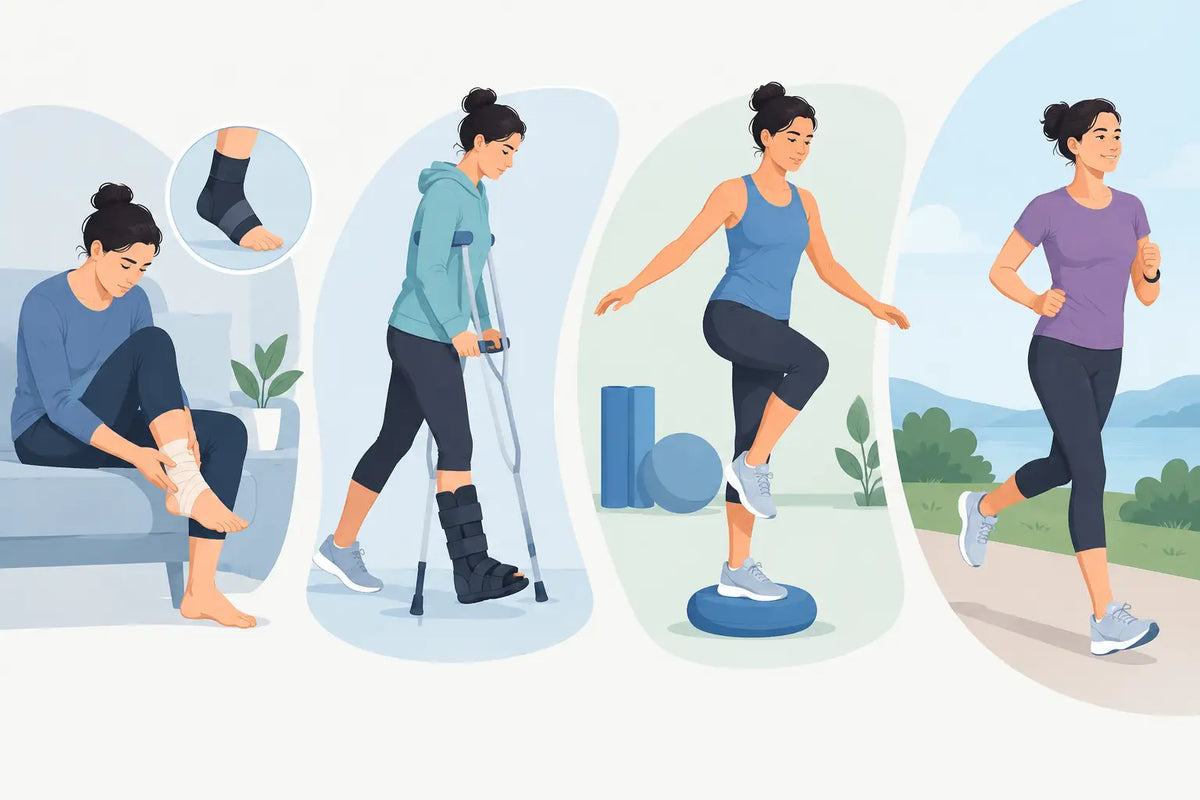
Wear time should have a purpose. Some people use a brace for higher-load tasks, commuting, sports, or symptom-provoking work rather than all day. Others may have a temporary clinician-directed schedule during recovery. Pairing brace use with prescribed exercises helps maintain the strength and coordination that hypermobile joints rely on.
When professional guidance is especially useful
Seek clinical input when a joint repeatedly subluxes or dislocates, when there is new swelling after injury, or when pain is accompanied by loss of strength, altered sensation, locking, or inability to bear weight. A clinician can also distinguish between joint hypermobility, tendon irritation, ligament injury, nerve involvement, and other causes of instability.
For Canadian patients using extended health benefits, ask the insurer what documentation is required before purchase. A physician prescription and detailed product documentation may be needed for reimbursement. Practitioners can help specify the body area, diagnosis or functional need, and required level of stabilization.
Sporlastic Canada offers orthopedic supports designed around compression, stabilization, and functional movement across key joint areas. Selecting by indication, support architecture, and accurate sizing gives patients and practitioners a more reliable starting point than choosing by appearance alone.
The right brace should make the next necessary movement feel more controlled, not make life smaller. If a support helps you walk with confidence, complete work comfortably, or participate in a carefully paced rehabilitation plan, it is doing meaningful work alongside your broader care strategy.

Leave a comment
This site is protected by hCaptcha and the hCaptcha Privacy Policy and Terms of Service apply.