

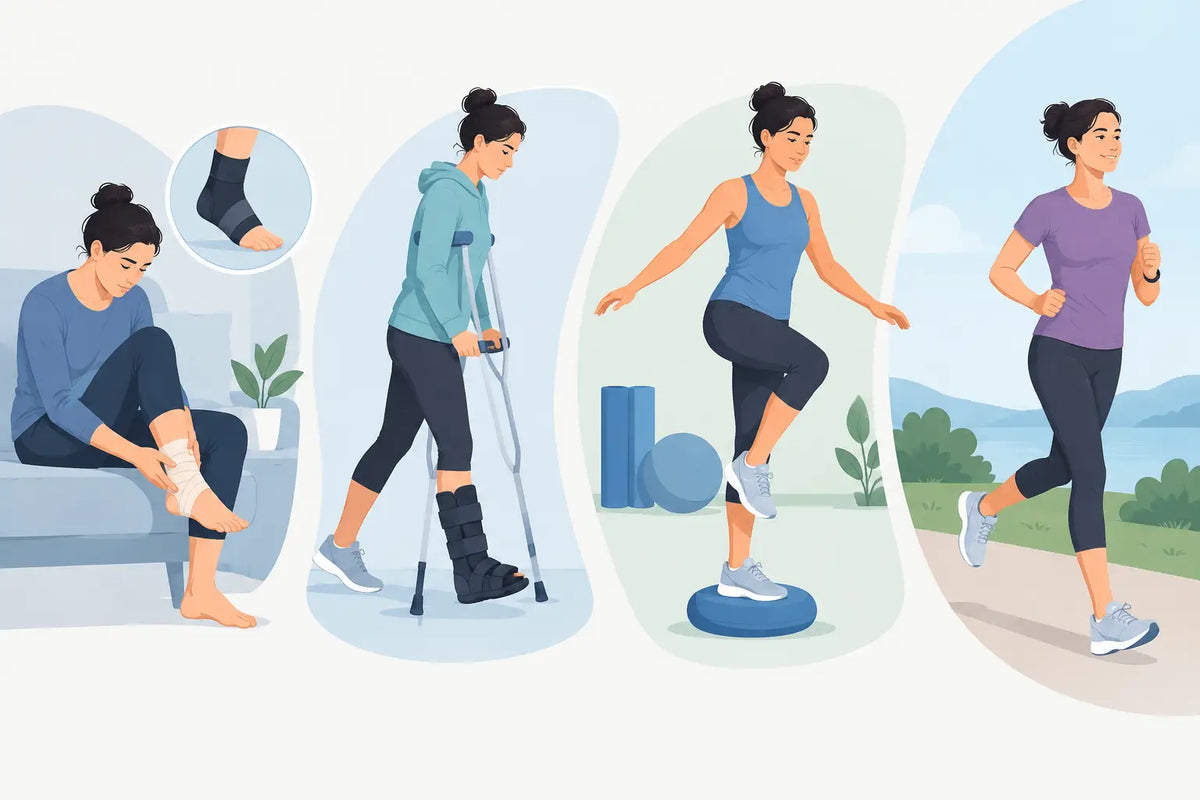
A rolled ankle can make a short walk, a work shift, or a flight of stairs feel unexpectedly uncertain. Effective ankle sprain recovery is not simply a matter of waiting for swelling to disappear. It requires enough protection to avoid re-injury, enough movement to restore normal function, and a gradual return to the activities that matter to you.
Ankle sprains range from a minor stretch of the ligaments to a more significant tear with instability, bruising, and difficulty bearing weight. The right recovery plan depends on the severity of the injury, your everyday demands, previous ankle injuries, and whether you need to return to sport, physically demanding work, or regular walking.
When an ankle sprain needs medical assessment
Many mild sprains can be managed conservatively, but some injuries need prompt assessment. A fracture, tendon injury, high ankle sprain, or significant ligament damage can resemble a routine sprain in the first few days.
Seek medical attention if you cannot take several steps without substantial pain, have marked bony tenderness around the ankle or foot, notice a visible deformity, or develop numbness, coldness, or colour changes in the foot. Assessment is also advisable when swelling and pain are severe, the ankle repeatedly gives way, or improvement stalls after the first week.
A healthcare professional can help determine whether imaging, a walking boot, a brace, physiotherapy, or a modified work plan is appropriate. This is particularly relevant for people with diabetes, reduced sensation in the feet, circulation concerns, osteoporosis, or a history of repeated ankle instability.
What ankle sprain recovery should accomplish
The ankle is supported by ligaments that guide the joint through walking, balancing, and changes of direction. Most sprains occur when the foot turns inward, stressing the ligaments on the outside of the ankle. Pain and swelling are immediate protective responses, but they can also alter the way you walk.
Recovery has several practical goals: settling pain and swelling, restoring comfortable range of motion, rebuilding strength and balance, and regaining confidence under load. Returning to activity before those pieces are in place may increase the chance of another sprain. Repeated sprains can lead to chronic ankle instability, where the joint feels unreliable on uneven ground or during quick movements.
The timeline is not identical for everyone. A mild sprain may improve considerably within one to three weeks. A moderate or severe sprain can require several weeks or longer, especially when sport-specific movement, climbing, lifting, or prolonged standing is involved. Pain alone should not be the only measure of readiness. Stability, walking quality, swelling after activity, and the ability to balance are equally useful markers.
The first days: protect the joint without becoming inactive
In the early phase, reduce activities that sharply increase pain or cause the ankle to give way. Relative rest is usually more useful than complete inactivity. If you can walk with a normal or near-normal pattern, short periods of gentle weight bearing can help maintain mobility. If you are limping significantly, a clinician may recommend temporary mobility support.
Elevation can help manage swelling, particularly after being on your feet. Compression may also provide a comfortable feeling of containment and reduce the sense of fullness around the ankle. Cold therapy can offer short-term pain relief for some people, but it is not a substitute for protection, movement, or rehabilitation.
Avoid using pain relief as a signal that the ankle is ready for full activity. Medication can make it easier to move, but it does not restore ligament control. If a shift at work or a training session causes swelling or limping later that day, the joint likely needs a lower load and more recovery time.
Choosing an ankle brace for recovery
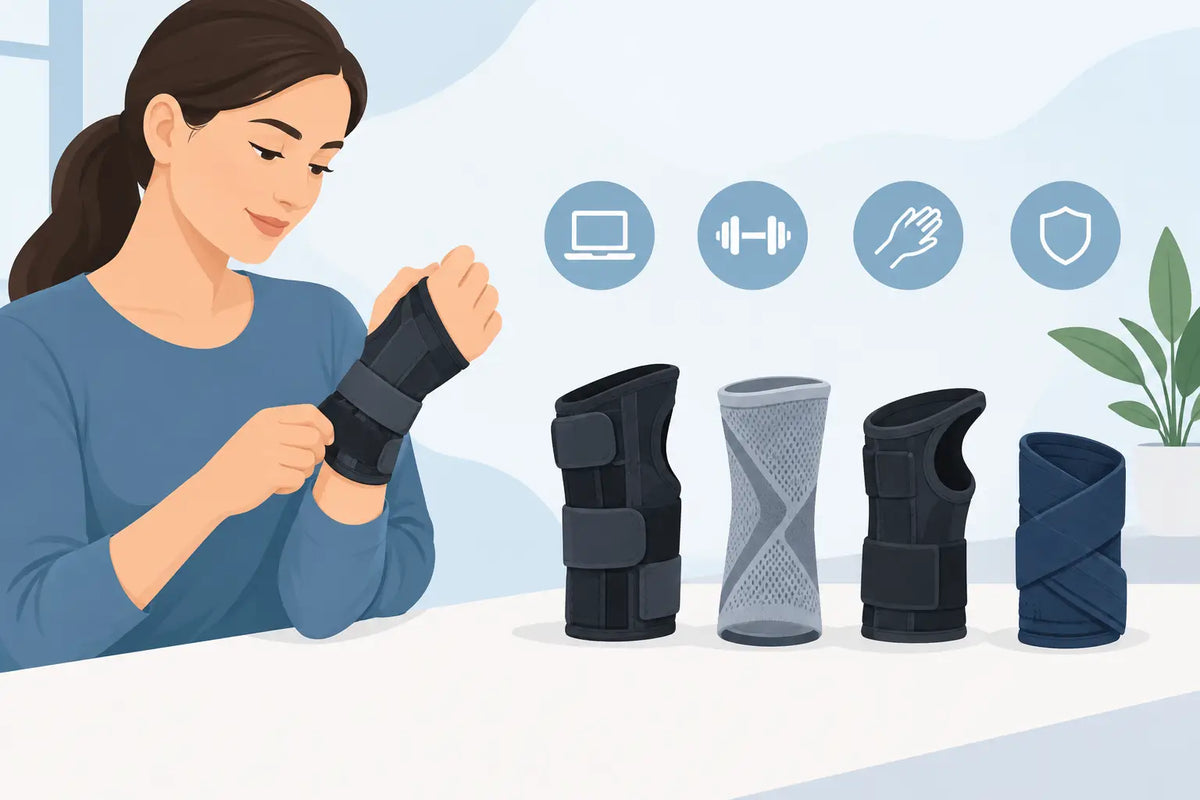
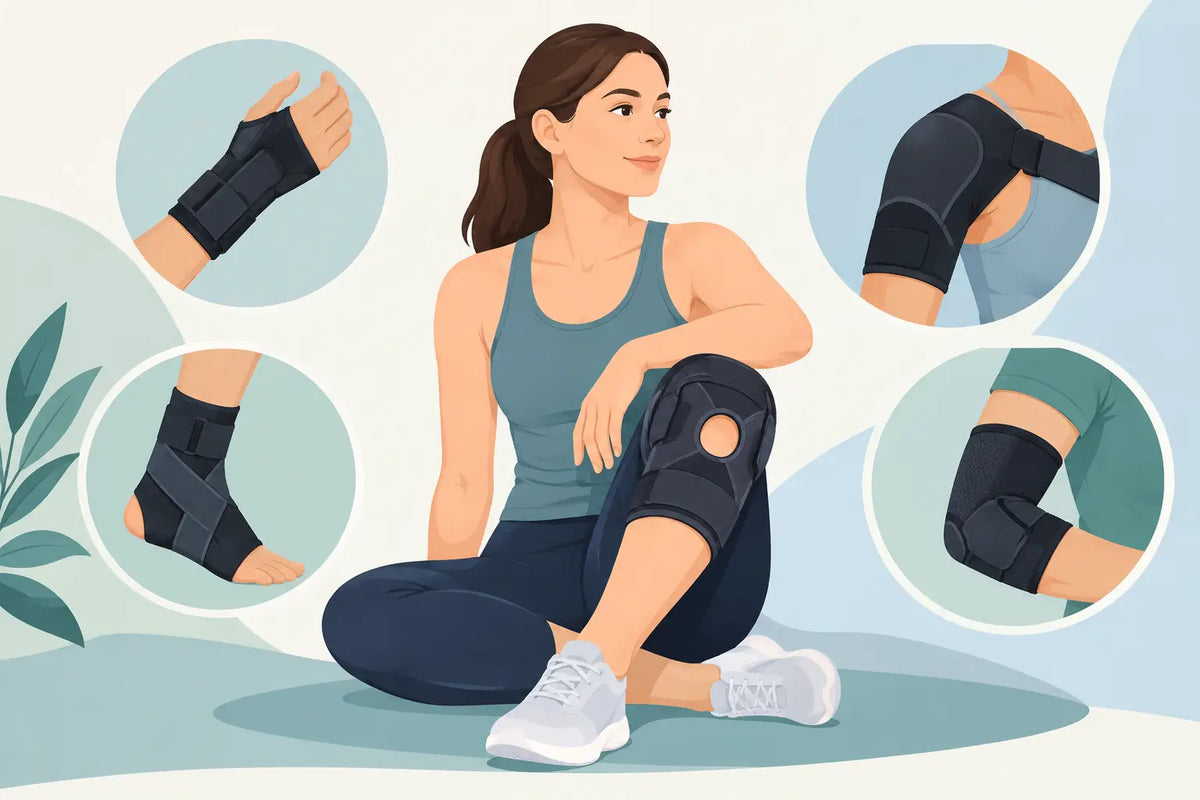
An ankle brace is a treatment tool, not simply an accessory. During recovery, its role is to limit the movements most likely to re-stress healing tissue while allowing enough functional motion for walking and rehabilitation. The appropriate support level depends on the injury and the activity.
A compressive ankle support may suit mild swelling, minor discomfort, or a transition back to everyday activity when the ankle feels generally stable. A more structured brace with straps, stays, or stabilizing elements may be more appropriate when there is ligament laxity, a clear sense of giving way, or a need for added control during work, exercise, or sport.
Fit matters as much as support level. A brace should feel secure without causing tingling, numbness, pressure marks, or cold toes. It must also work with your footwear. A support that does not fit inside a work boot or athletic shoe is less likely to be worn consistently when it is needed.
For Canadian customers using extended health benefits, a physician prescription and detailed product documentation may be required for reimbursement. Confirm the requirements of your individual plan before purchase. A physiotherapist, chiropractor, physician, or other qualified practitioner can also help match the support architecture to your diagnosis and stage of recovery.
Restore movement before demanding performance
Once acute pain is settling, gentle ankle movement is usually a priority. Moving the ankle up and down, making controlled circles, or tracing the alphabet with the foot can help restore mobility without high impact. The goal is smooth, tolerable movement rather than forcing through sharp pain.
As walking becomes more comfortable, strengthening work can progress. Calf raises, resistance exercises, and controlled step-ups help the muscles around the ankle respond to load. Balance training is equally important because the sensory feedback around the joint can be reduced after a sprain. Standing on one leg near a stable surface, then progressing to more challenging balance tasks as advised by a clinician, can rebuild control.
This stage is where many people feel better and do too much too soon. Being able to walk in a straight line is not the same as being ready to run, pivot, hike on uneven trails, or carry loads on stairs. Those tasks ask more of the ankle's coordination and lateral stability.
Return to work, exercise, and sport gradually
A return plan should reflect your actual routine. For an office worker, the key target may be walking comfortably through a commute and managing stairs. For a warehouse employee, it may include prolonged standing, uneven surfaces, and carrying weight. For a court athlete, it must include hopping, cutting, decelerating, and landing control.
Before increasing activity, aim for minimal swelling, a normal walking pattern, and near-equal movement compared with the uninjured side. You should also be able to balance and perform simple calf raises without pain or a feeling that the ankle will buckle. A clinician may use more specific functional tests when returning to high-demand sport.
Increase one variable at a time. You might extend walking duration before adding hills, or resume jogging before introducing direction changes. Wearing a stabilizing brace during the return phase can be useful for higher-risk activities, particularly if you have had previous sprains. It should support your rehabilitation plan, not replace strength and balance work.
Common setbacks to avoid
The most common mistake is treating reduced pain as complete recovery. Other setbacks include returning to uneven terrain too quickly, continuing to walk with a pronounced limp, and choosing footwear that lacks room or stability for the recovering ankle.
Do not ignore recurring swelling after activity. It is useful feedback that the current workload may exceed the ankle's capacity. Reducing the next session, using appropriate support, and progressing more gradually can prevent a small flare-up from becoming a longer interruption.
A well-fitted brace, supportive footwear, and a measured rehabilitation plan can make recovery feel more manageable. Give the ankle enough time to earn back your trust, one stable step at a time.

Leave a comment
This site is protected by hCaptcha and the hCaptcha Privacy Policy and Terms of Service apply.