

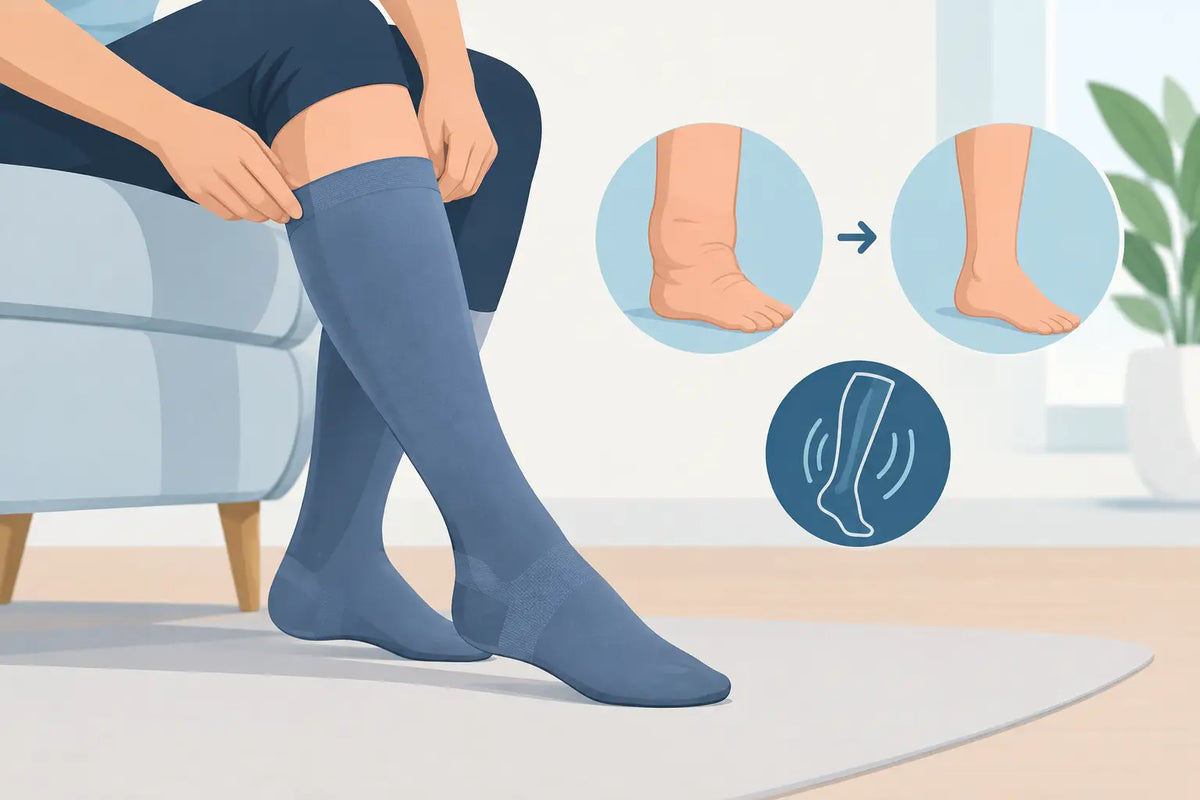
A swollen ankle after a misstep, a knee that feels tight after activity, or a hand that becomes puffy during recovery can make ordinary movement difficult. Can compression reduce swelling in these situations? Often, yes. A properly selected and fitted compression support may help manage mild to moderate swelling, improve comfort, and make movement feel more controlled. It is not, however, a substitute for identifying why the swelling developed in the first place.
Swelling, also called edema, is fluid accumulation in the body’s tissues. It can occur after an acute injury, surgery, prolonged standing or sitting, repetitive activity, joint irritation, or chronic venous concerns. The right approach depends on the body area, the cause, the stage of recovery, and whether symptoms are improving or worsening.
How Compression Can Reduce Swelling
Compression garments and orthopedic supports apply measured, external pressure to soft tissue. This pressure can help limit the space available for fluid to collect and support the return of fluid through the lymphatic and venous systems. In practical terms, a support may reduce the feeling of fullness, heaviness, or tightness that accompanies swelling.
Compression also provides useful sensory feedback. A sleeve, brace, or wrap can make a person more aware of joint position and movement, encouraging more deliberate activity during recovery. When a support includes stabilizing elements, straps, or anatomically shaped knit zones, it may address both swelling management and the mechanical demands of an injured or irritated joint.
The effect is usually most useful when compression is paired with an appropriate care plan. Depending on the diagnosis, this may include relative rest, gradual mobility work, elevation, physiotherapy, or clinician-directed rehabilitation. Compression can support recovery, but it does not repair a torn ligament, resolve an infection, or treat a circulation problem on its own.
When Compression Is Most Likely to Help
Compression may be appropriate for localized swelling that follows a known musculoskeletal issue. Common examples include a mild ankle sprain, knee swelling after a minor flare-up, wrist swelling from overuse, or soft-tissue swelling during a clinician-guided post-operative recovery.
For an ankle injury, a compression sock or ankle support can help contain swelling while the joint regains comfortable movement. If the ankle also feels unstable, a more structured brace may be more appropriate than a simple elastic sleeve. The support should match the problem: compression addresses fluid management, while straps, stays, or stabilizing knit structures address instability.
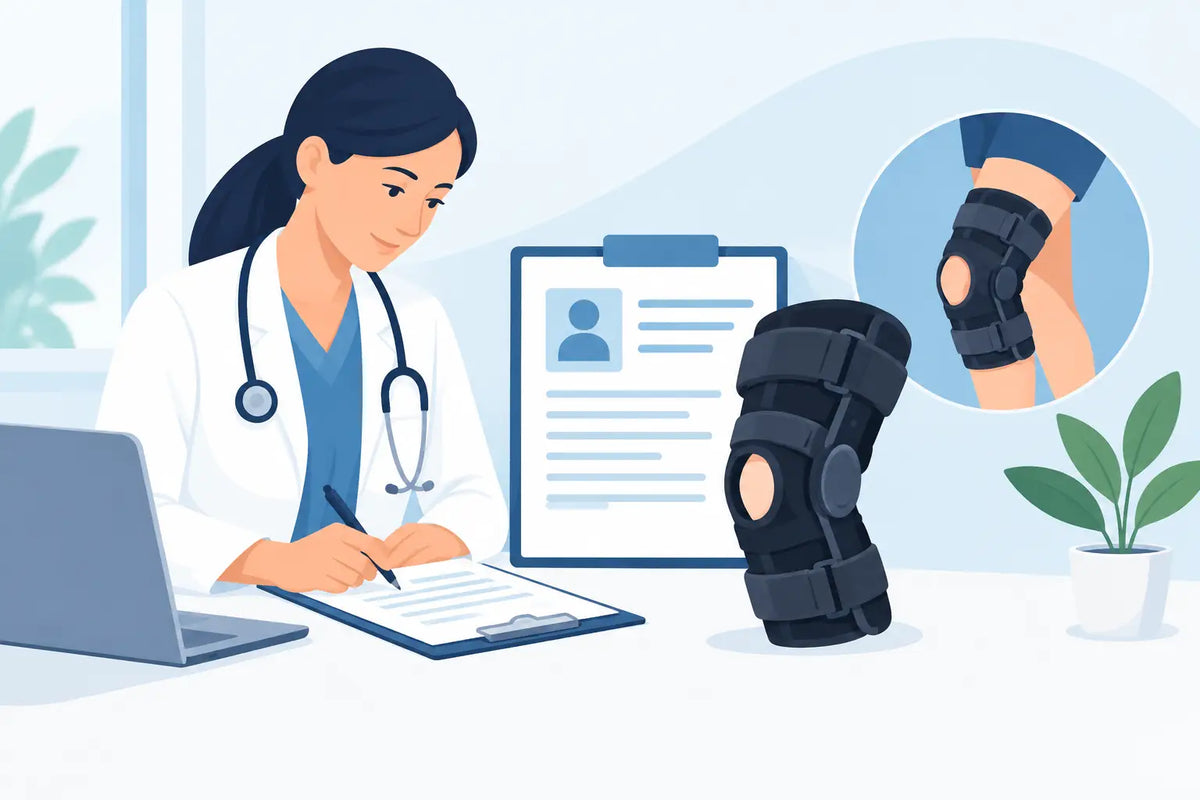
At the knee, a compressive sleeve may help with mild swelling and provide comfortable proprioceptive support during daily activity. A more involved condition, such as ligament laxity, meniscal injury, or significant osteoarthritis symptoms, may call for a brace with additional guidance or unloading features. More support is not automatically better. The goal is enough compression and stabilization for the activity and diagnosis without restricting circulation or natural movement unnecessarily.
After surgery, compression is sometimes included in the post-treatment plan, but timing and product selection should come from the surgeon or treating practitioner. Surgical procedures, wound status, circulation, and weight-bearing restrictions all affect what is suitable.
The Stage of Recovery Matters
Immediately after an acute injury, swelling can increase quickly. Gentle compression may be used when recommended, but severe pain, deformity, inability to bear weight, numbness, or rapid swelling needs clinical assessment rather than self-treatment.
As acute symptoms settle, compression may be more comfortable during work, walking, exercise progression, or prolonged periods on your feet. During this stage, it can help manage recurrent swelling that develops through the day. If swelling consistently returns after activity, that is useful information to share with a physiotherapist, physician, or other treating professional.
Choosing the Right Type of Compression Support
A support should fit the affected body part and the intended use. Compression levels are often described in millimetres of mercury, or mmHg, though not every orthopedic support is classified in the same way. Higher compression is not a universal solution. A clinician may recommend a specific range when there is a vascular, lymphatic, or post-operative reason for doing so.
For musculoskeletal concerns, consider whether you need a flexible compressive sleeve, a support with targeted pressure zones, or a brace that combines compression with stabilization. Material also matters. Breathable, durable knit fabric can be more practical for all-day wear, while low-profile designs may fit more easily under work clothes or footwear.
Correct sizing is essential. Measure at the locations specified in the product instructions, ideally when swelling is at a typical level for you. A support that is too loose will provide limited compression and may migrate during activity. One that is too tight can cause pinching, skin irritation, numbness, tingling, colour changes, or discomfort above and below the garment.
Sporlastic Canada’s orthopedic supports are designed around purposeful compression and, where needed, stabilizing treatment features. For customers managing a diagnosed condition or recovering under professional guidance, product documentation and a prescription may also be relevant when seeking insurance reimbursement.
How to Wear Compression Safely
Put the support on smoothly, without folds or rolled edges that can create concentrated pressure. It should feel supportive, not painful. Check the skin after the first few uses, particularly if you have sensitive skin, reduced sensation, diabetes, or a history of skin breakdown.
Wear time varies. Some people benefit from compression during walking, work, exercise, or travel, then remove it for rest. Others may have a prescribed schedule after treatment or surgery. Follow your practitioner’s instructions when they are available, and follow the product’s care and wear guidance.
Do not assume that continuous wear is necessary. If swelling is mild, the best approach may be to use compression during the part of the day when symptoms typically increase. Short periods of elevation and gentle, approved movement can also be helpful. Remaining completely still for long periods may worsen stiffness and fluid pooling for some people.
When Compression May Not Be Appropriate
Compression should be used cautiously, or only with medical guidance, when there are circulation concerns. This includes known peripheral arterial disease, severe heart failure, certain vascular conditions, uncontrolled diabetes-related complications, or substantial loss of sensation. Open wounds, active skin infections, unexplained rashes, and fragile skin also require professional advice before applying a close-fitting support.
Unexplained swelling deserves particular care. One-sided leg swelling that appears suddenly, especially with calf pain, warmth, redness, or tenderness, can be a sign of a blood clot. Do not try to manage these symptoms with a compression sleeve before speaking with a medical professional. Urgent assessment is also needed if swelling comes with shortness of breath, chest pain, fever, a cold or blue limb, or rapidly increasing pain.
If a support makes symptoms worse, remove it. Persistent tingling, numbness, throbbing, unusual skin colour, or increased pain are signs that the fit, pressure level, or product choice may not be right.
A Support Is Part of the Plan, Not the Whole Plan
Compression works best when it has a clear job to do. For a recovering ankle, that may mean controlling day-to-day swelling while allowing a gradual return to walking. For an active knee, it may mean comfortable compression during activity alongside strengthening and movement retraining. For a worker on their feet, it may mean managing symptoms while addressing footwear, workload, and recovery time.
The most useful support is one you can wear correctly and consistently for the right indication. If you are unsure whether swelling is expected, whether a sleeve is sufficient, or whether you need a more stabilizing brace, a health practitioner can help connect the symptom to an appropriate treatment plan. Comfort matters, but the goal is confident, safer movement as your body recovers.

Leave a comment
This site is protected by hCaptcha and the hCaptcha Privacy Policy and Terms of Service apply.