

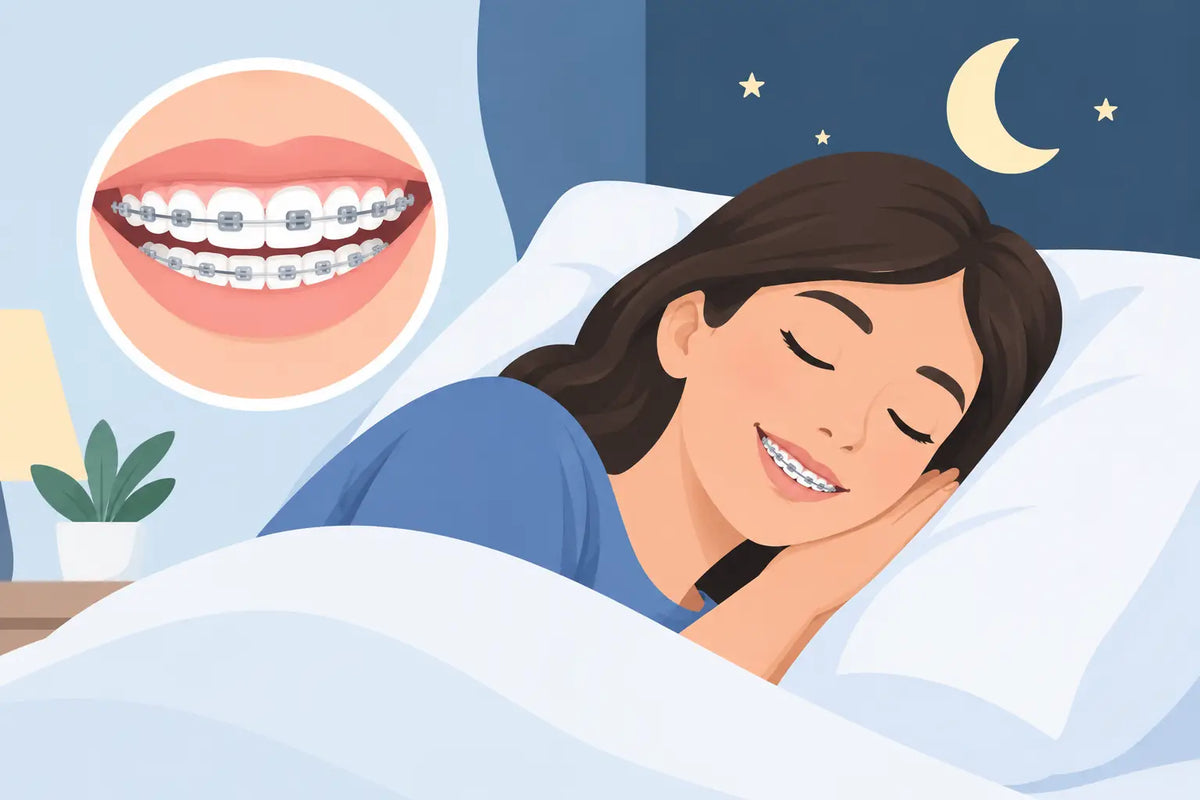
A brace can feel reassuring at night when pain, instability, or an awkward sleeping position keeps interrupting rest. But can braces be worn overnight? Sometimes, yes - provided the brace, the condition, and the treatment plan support nighttime use. A brace is not simply a layer of protection. It applies compression, changes joint position, limits movement, or combines these functions. Those effects can be useful while sleeping, but they can also create pressure problems when left unchecked for several hours.
The safest answer comes from the instructions supplied with the specific product and the guidance of the physician or practitioner managing your condition. Nighttime use should be purposeful: protecting a healing structure, maintaining a prescribed position, or reducing symptoms that genuinely disturb sleep. It should not be an automatic response to discomfort.
Can Braces Be Worn Overnight for Your Condition?
Whether overnight bracing is appropriate depends first on the body part and diagnosis. A wrist brace, for example, is commonly used at night for symptoms associated with carpal tunnel syndrome because it can hold the wrist in a more neutral position. This may reduce the prolonged bending that contributes to nighttime tingling or numbness.
A thumb support may also be recommended overnight when arthritis, tendon irritation, or joint instability is aggravated by involuntary movement during sleep. In these cases, the goal is usually controlled rest rather than firm immobilization.
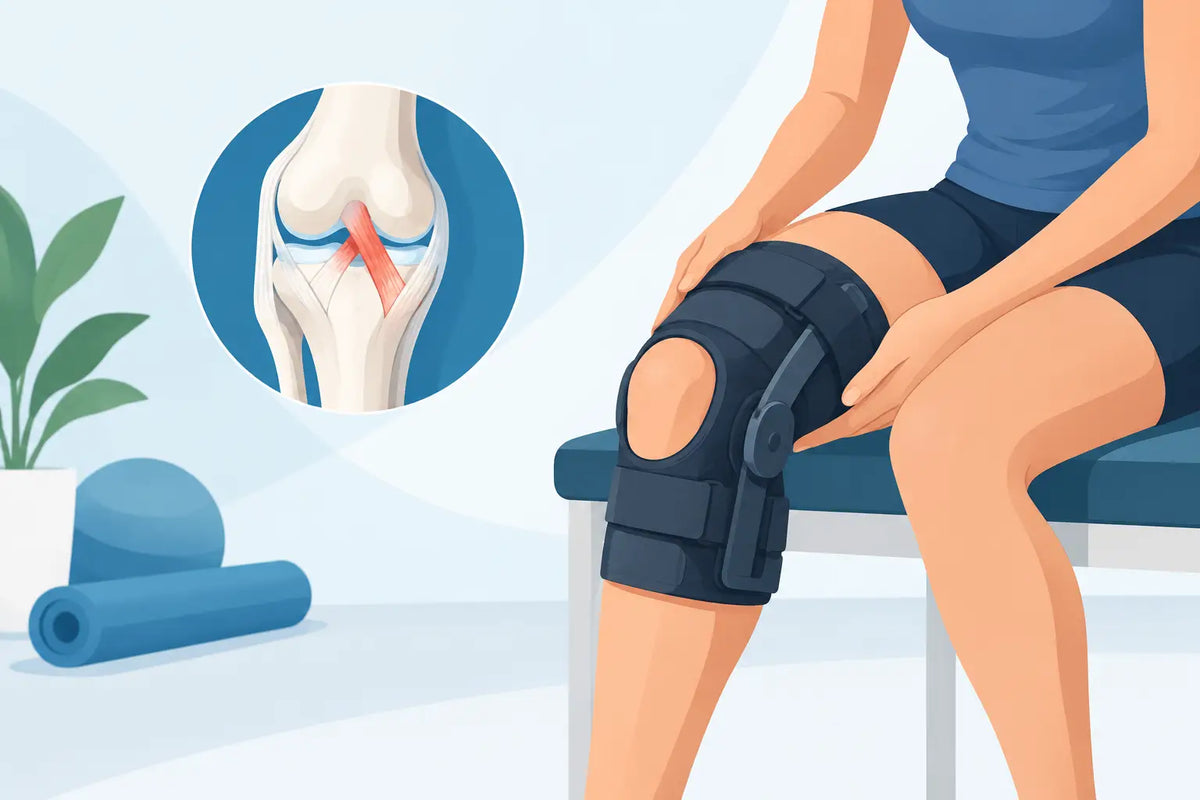
For knee, ankle, shoulder, back, and cervical supports, the answer is more variable. After surgery, fracture management, ligament injury, or a dislocation, a clinician may prescribe an immobilizer or orthosis for continuous wear, including sleep. The positioning, range-of-motion setting, and wearing schedule are part of treatment. Do not remove or alter a prescribed post-operative brace without approval from your surgical team.
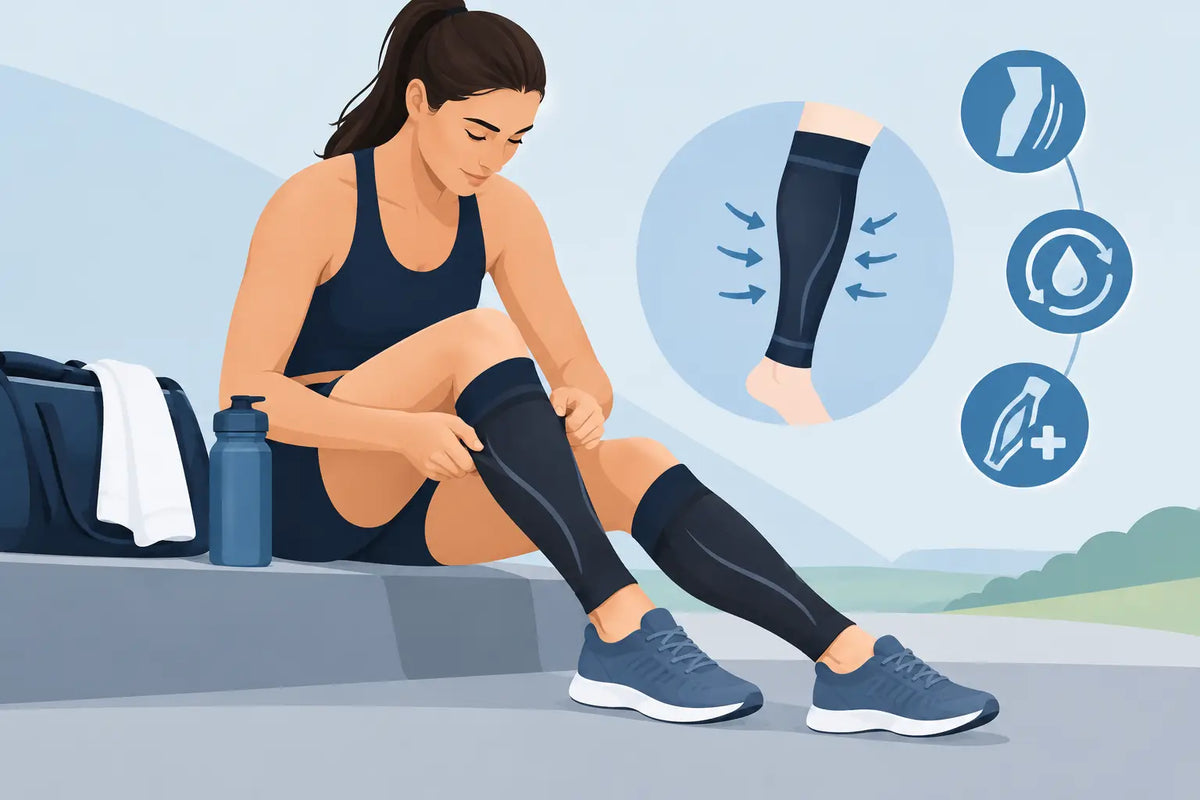
On the other hand, many functional sports braces and compression supports are designed primarily for daytime movement. They may provide confidence and symptom relief during work, walking, exercise, or rehabilitation, yet offer no clear benefit in bed. Wearing one overnight without a clinical reason can lead to overheating, skin irritation, or excessive pressure.
A useful distinction is between a clinician-prescribed orthosis and a support chosen for occasional pain relief. The first may have a defined overnight protocol. The second usually requires more caution and should be worn at night only if the product instructions permit it and a healthcare professional considers it suitable.
Why Sleep Changes the Fit and Risk Profile
During the day, you notice quickly if a strap twists, an edge rubs, or your fingers start to feel cold. While asleep, those warning signs may be missed. You also change position repeatedly, which can cause a brace to migrate, bunch behind a joint, or tighten against the skin.
Swelling can change over a 24-hour period as well. A support that feels comfortable after breakfast may feel restrictive after a long day on your feet or when fluid accumulates around an injured ankle, knee, or hand. Compression is valuable when it is correctly selected and tolerated, but more compression is not automatically better.
Rigid components need particular attention. A stay, shell, hinge, or strap that is appropriately positioned while standing may press into the body when you lie on your side or bend a limb in sleep. This is one reason product design, sizing, and proper fitting matter. A well-designed brace should distribute pressure thoughtfully, but it still needs to be appropriate for the individual wearer and the intended duration of use.
When Nighttime Bracing May Help
Night use can be reasonable when movement in sleep predictably triggers pain, places an injured area in an unhelpful position, or conflicts with a treatment plan. It may be considered for a neutral-position wrist orthosis, a thumb brace, a prescribed ankle-foot orthosis, selected spinal supports, or a post-operative knee or shoulder immobilizer.
The expected benefit should be specific. Perhaps you wake with hand numbness, roll onto a painful shoulder, or unknowingly bend a healing joint beyond a prescribed limit. In each situation, the brace should address a clear mechanical problem. If you cannot identify what it is meant to prevent or support, ask the prescribing practitioner before making it part of your night routine.
Nighttime bracing may also be used for a limited period rather than indefinitely. As pain settles, mobility improves, or tissue healing progresses, your clinician may reduce hours of wear to encourage safe movement and muscle activity. Continuing immobilization longer than recommended can contribute to stiffness, weakness, and dependence on external support.
Fit Checks Before You Sleep
Follow the product-specific fitting instructions first. If your brace was fitted by a physiotherapist, occupational therapist, orthopedic specialist, or other qualified practitioner, use the same strap sequence and placement they demonstrated.
Before bed, check that the brace is clean, dry, and lying flat against the skin or over the layer recommended in its instructions. Straps should feel secure, not aggressively tight. You should not need to cinch them down to make the brace work. If it repeatedly shifts, the issue may be sizing, brace style, or positioning rather than a need for more tension.
For braces worn on an arm, hand, foot, or lower leg, compare both sides before sleep. Look for unusual swelling and make sure fingers or toes are warm, normally coloured, and able to move unless movement is specifically restricted by your treatment plan. A brief check in the morning is equally valuable, especially during the first few nights of use.
If a brace uses removable stays or adjustable hinges, do not change their configuration for comfort unless your clinician has instructed you to do so. These elements influence the support level and alignment the brace provides.
Signs to Remove the Brace and Seek Advice
Remove a non-prescribed overnight brace and contact a healthcare professional if you develop any of the following symptoms:
- Numbness, tingling, burning, or new weakness below the brace
- Cold, pale, bluish, or unusually swollen fingers or toes
- Increasing pain that does not settle after loosening or removing the brace
- Blistering, broken skin, a persistent pressure mark, or a rash
- A brace that slips, folds, or creates a concentrated pressure point during sleep
For a post-surgical brace, sudden severe pain, major swelling, wound concerns, fever, or a change in limb colour requires prompt medical direction. Do not assume the brace is the only cause or solution.
Choosing a Brace That Suits Night Use
A brace suitable for sleep is not necessarily the most rigid model available. The right choice balances the amount of stabilization required with comfort, skin tolerance, and the ability to maintain correct positioning for several hours. Low-profile construction, breathable materials, smooth edges, carefully placed closures, and anatomically shaped support elements can all make a meaningful difference.
For some conditions, a dedicated night orthosis is more appropriate than a daytime compression sleeve or activity brace. A clinician can help determine whether you need neutral positioning, motion restriction, gentle compression, or no nighttime support at all. They can also distinguish symptoms caused by inflammation or nerve irritation from those requiring a different assessment.
Sporlastic Canada supports this decision process with orthopedic braces designed around defined treatment functions, from stabilization and controlled motion to targeted compression. Still, the product category should follow the clinical need, not the other way around.
Make Night Bracing Part of a Treatment Plan
If nighttime wear is recommended, give it a short trial with deliberate monitoring. Note whether you sleep better, wake with fewer symptoms, or experience new pressure areas. This information helps your practitioner adjust fit, wear time, or brace selection rather than relying on guesswork.
A brace should support recovery and comfortable function, not become something you endure through the night. When it is correctly prescribed, properly fitted, and reviewed as your symptoms change, nighttime support can protect rest while keeping your treatment moving in the right direction.

Leave a comment
This site is protected by hCaptcha and the hCaptcha Privacy Policy and Terms of Service apply.