
A long ride, tournament weekend, or return to running can leave a limb feeling heavy long after the workout is over. Compression sleeves for sports recovery are often used to make that post-exercise period more comfortable, especially when mild swelling, muscle soreness, or a sense of fatigue affects movement. They are not a shortcut around rest, progressive training, or clinical assessment, but the right sleeve can be a practical part of a recovery routine.
The key is to choose a support based on the body area, the reason for using it, and the level of compression or stabilization required. A lightweight calf sleeve used after a run serves a different purpose from a knee support worn during rehabilitation after a ligament injury.
What compression sleeves can do after sport
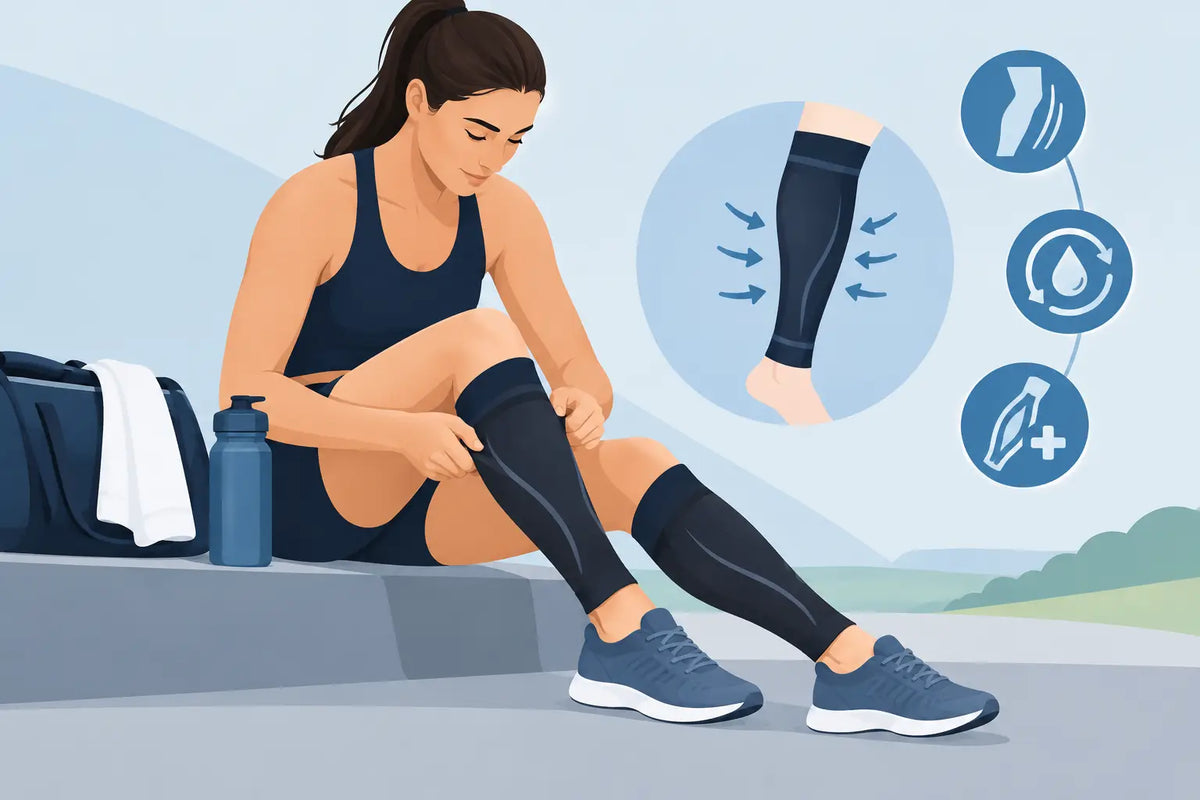
Compression garments apply graduated or targeted pressure to soft tissue. Depending on their design, they may help support circulation, manage mild exercise-related swelling, improve proprioception, and provide a secure feeling around a working muscle or joint. Proprioception is the body's awareness of position and movement. For an athlete returning from an injury, that additional sensory feedback can make movement feel more controlled.
Many people wear a sleeve after activity because it reduces the feeling of heaviness in the calves, thighs, forearms, or around a joint. Others use one during low-impact activity or while travelling after an event. The benefit is often most noticeable when compression is paired with the fundamentals: appropriate hydration, sleep, nutrition, gradual loading, and enough recovery time between demanding sessions.
Research and individual experience do not point to the same outcome for every athlete. A sleeve may improve perceived soreness or comfort without dramatically changing performance markers. That does not make it ineffective. Comfort can help someone tolerate a planned rehabilitation exercise program or return to normal daily movement more confidently. It does mean that expectations should be realistic.
Compression sleeves for sports recovery are not all the same
The term “compression sleeve” covers a broad range of products. Some are primarily intended for muscle support, while others are orthopedic supports designed around a joint. Material, knit construction, anatomical shaping, pressure level, and added stabilization features all affect how a product feels and functions.
Muscle sleeves
Calf, thigh, arm, and forearm sleeves generally provide circumferential compression without crossing a joint. They may suit athletes managing ordinary post-training fatigue or mild soft-tissue discomfort. A well-fitted sleeve should remain in place without pinching at the top edge, rolling down, or creating numbness below the garment.
For runners, calf sleeves are commonly considered after longer distances, hill work, or a return to training following a period of reduced activity. They should not be used to push through sharp calf pain, a suspected muscle tear, or sudden one-sided swelling.
Joint-focused supports
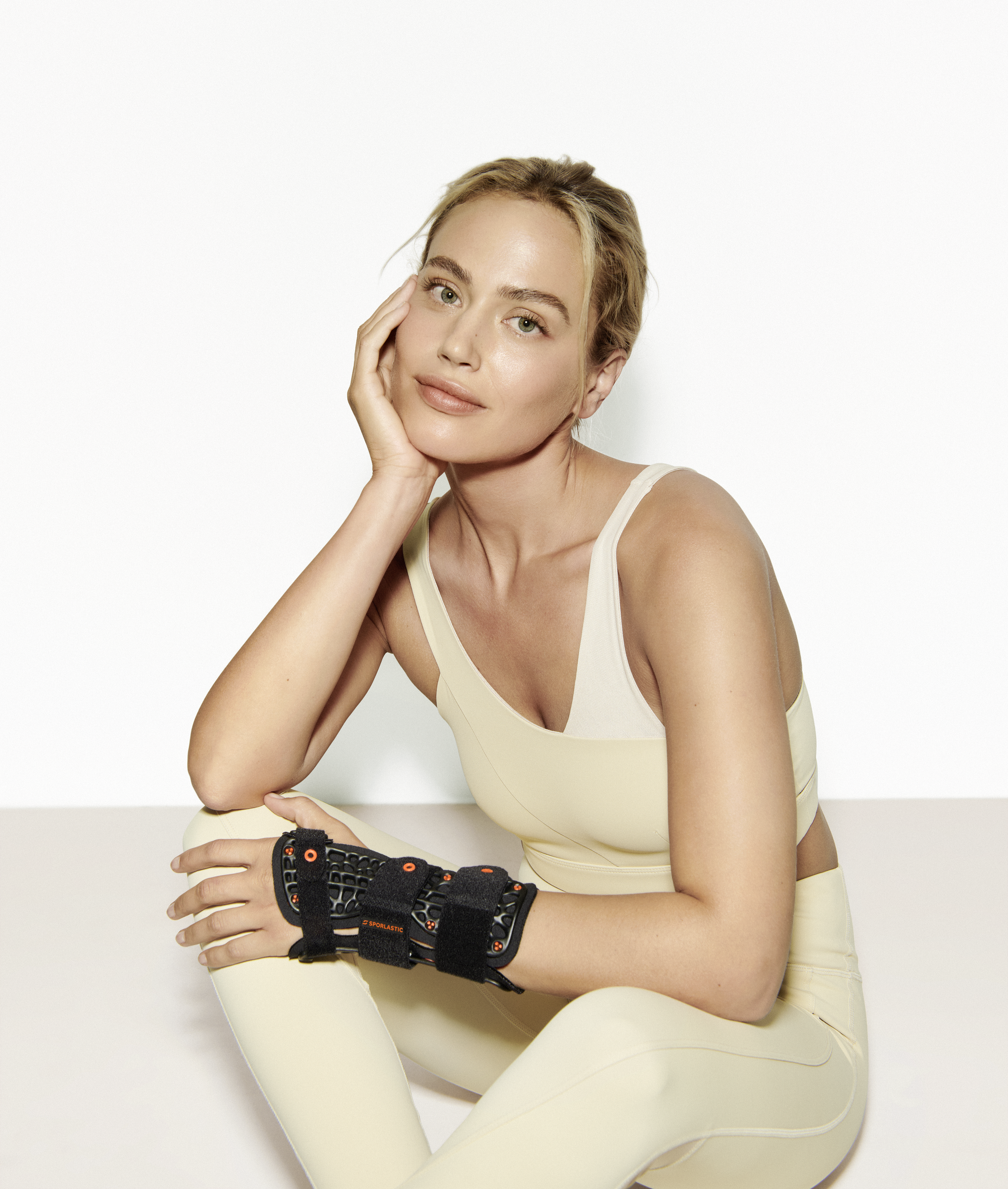
Knee, ankle, elbow, and wrist supports are more condition-specific. They may combine compression with silicone inserts, straps, stays, or anatomically placed knit zones. These features can help guide the support around the joint, reduce pressure at sensitive areas, or provide additional stabilization where it is needed.
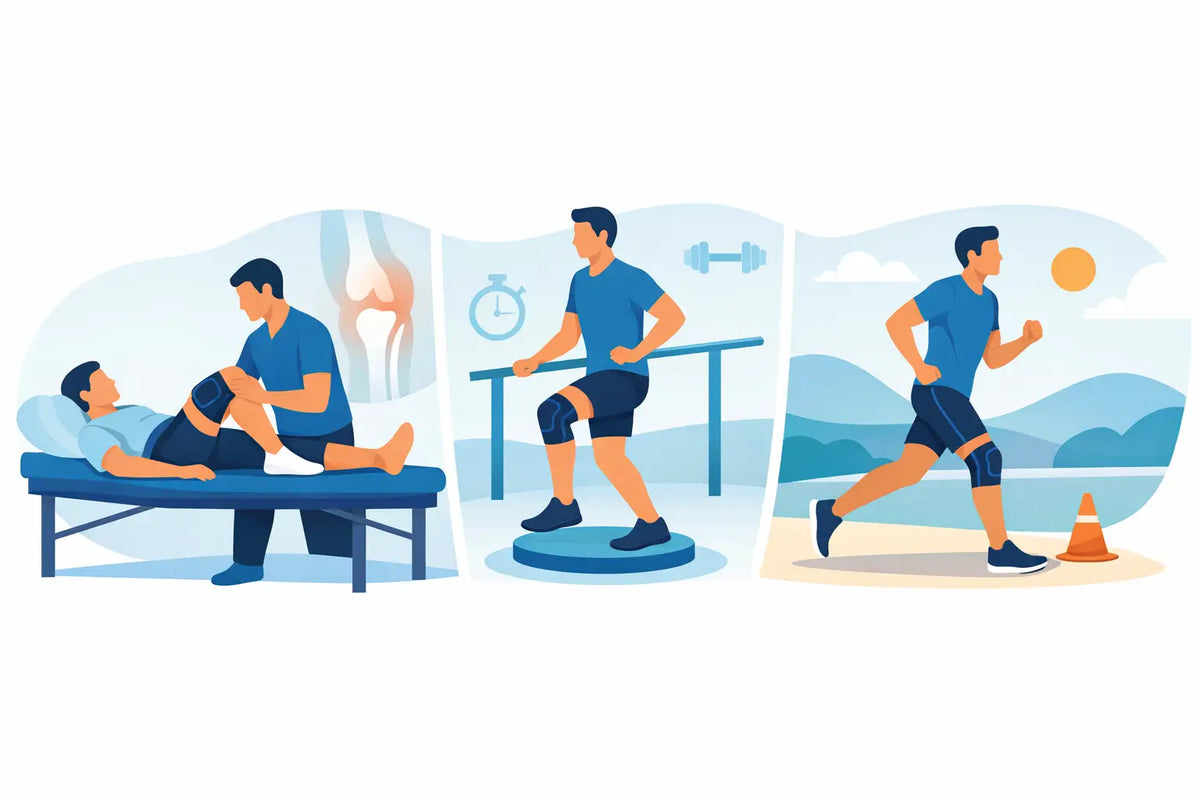
For example, a simple elastic knee sleeve may be appropriate for mild activity-related discomfort when a clinician has ruled out a more significant injury. A knee brace with stabilizing elements may be more appropriate for ligament laxity, meniscal concerns, patellar tracking issues, or a prescribed return-to-sport plan. More support is not automatically better. Excessive bulk or restriction can interfere with movement and may be unsuitable for a particular sport.
When a sleeve may be appropriate
Compression is most useful when it has a clear role in the athlete's routine. That could mean wearing a calf sleeve for a few hours after a hard session, using a knee support for supervised rehabilitation exercises, or choosing an ankle support while returning to court sport after a sprain.
Consider the symptoms and the training context. Diffuse muscle fatigue after an unfamiliar workout is different from pain that appears at the same point in every stride. Mild swelling that settles with rest is different from swelling that increases, causes skin colour changes, or limits weight-bearing. A sleeve may be reasonable for the first scenario, while the second calls for assessment by a physician, physiotherapist, chiropractor, or other qualified health practitioner.
Compression should also be comfortable enough to use consistently. If a support causes tingling, numbness, throbbing, cold toes or fingers, or marked skin indentation, remove it. The fit may be too tight, the size may be incorrect, or the product may not suit the condition.
How to select the right level of support
Start with the area that needs support, then match the product to the activity and diagnosis. For general post-exercise muscle comfort, a sleeve with graduated, anatomically shaped compression may be sufficient. For a joint with known instability or a diagnosed injury, look beyond compression alone and follow the treatment recommendation provided by your practitioner.
Sizing matters as much as product selection. Measure at the locations specified in the product guide, ideally when swelling is at its usual level rather than immediately after intense exercise. Do not select a smaller size simply to achieve a tighter feel. Compression must be distributed correctly to be effective and comfortable.
Pay attention to construction details. Breathable knit fabrics can make a support more manageable during daily wear. Flat seams and soft edge finishes can reduce irritation, while left- and right-specific designs may improve anatomical fit. For athletes who wear a support under clothing or protective equipment, profile and moisture management are practical considerations rather than minor extras.
A clinician can help determine whether a sleeve is appropriate if there has been surgery, a recent fracture, recurrent sprains, persistent swelling, or a neurological condition affecting sensation. People with vascular disease, known circulation concerns, diabetes-related sensory changes, or a history of blood clots should seek medical guidance before using compression.
Timing: during exercise, after exercise, or both?
There is no universal schedule. Some athletes prefer a compression sleeve during warm-up or low-intensity training because it provides warmth and body awareness. Others reserve it for the hours after activity, when the goal is comfort during errands, work, or travel home. If it helps, it should feel supportive rather than restrictive.
During rehabilitation, timing should follow the treatment plan. A practitioner may recommend a support during specific exercises, walking, or work duties, then advise removing it for rest and skin checks. Wearing any support continuously without a reason is rarely the goal. The objective is to enable appropriate movement while symptoms and tissue healing are managed.
Recovery sleeves should be clean and dry before use, particularly after sweaty training sessions. Follow the care instructions for washing and drying. Heat, fabric softener, and improper drying can damage elastic fibres, changing the compression profile over time. Replace a sleeve when it no longer returns to shape, slips repeatedly, or develops worn areas that affect fit.
Know when recovery needs more than compression
A support can be helpful, but it cannot diagnose the cause of pain. Stop activity and seek timely clinical assessment for severe pain, inability to bear weight, joint locking, obvious deformity, progressive weakness, or symptoms that do not improve as expected. Sudden swelling, warmth, redness, chest pain, or shortness of breath require urgent medical attention.
For a diagnosed musculoskeletal condition, product documentation and a physician prescription may also be relevant for insurance reimbursement. Requirements vary by plan, so it is sensible to confirm the documentation needed before purchasing a prescribed orthopedic support.
The best compression sleeve is the one that fits correctly, suits the actual problem, and supports a sensible return to movement. If your symptoms are changing or your training is limited by pain, a qualified practitioner can help turn that uncertainty into a clearer recovery plan.


Leave a comment
This site is protected by hCaptcha and the hCaptcha Privacy Policy and Terms of Service apply.