

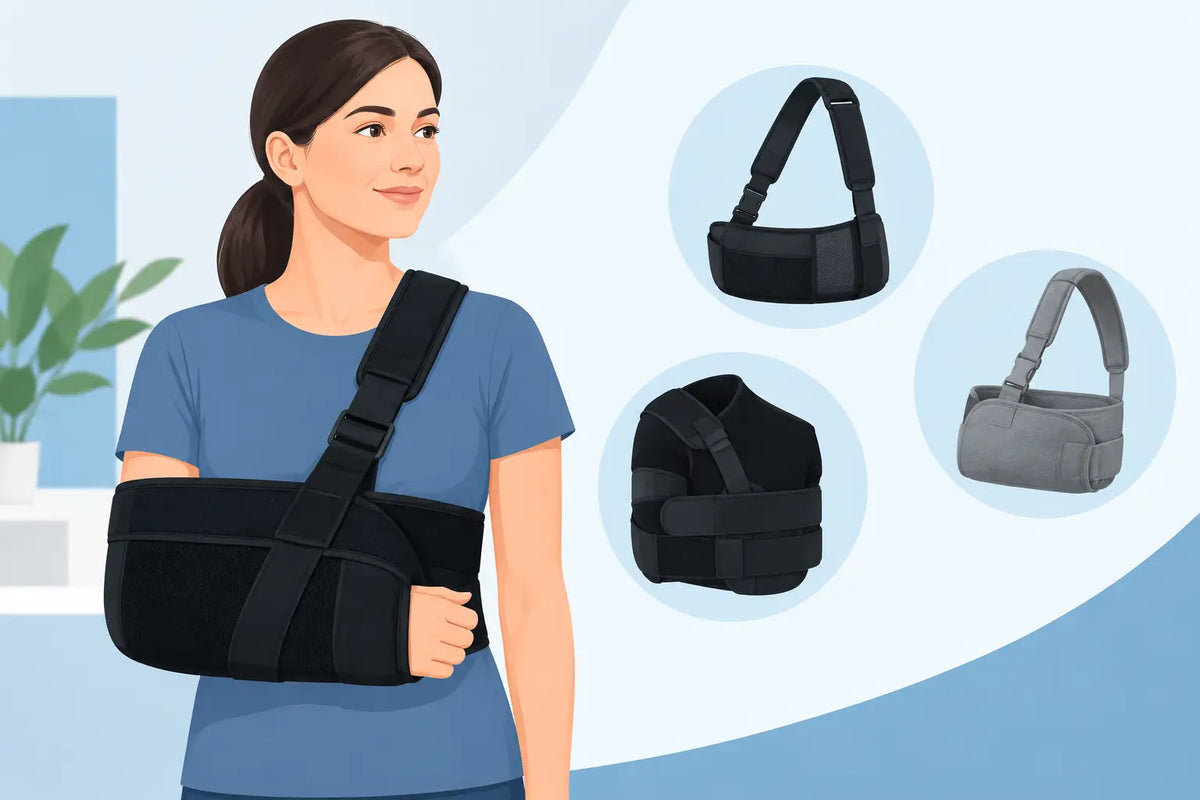
A shoulder immobilizer is not simply a sling that holds the arm up. After surgery, it is part of the protection plan for repaired tissue, whether that involves the rotator cuff, labrum, joint capsule, clavicle, or shoulder replacement. This postoperative shoulder immobilizer buying guide explains how to match the brace to your surgeon’s instructions, your procedure, and the practical demands of recovery at home.
The right device should limit the movements your surgical team wants restricted while keeping your arm supported comfortably enough to wear as prescribed. More immobilization is not automatically better. The appropriate position, level of restraint, and duration depend on the operation and your individual healing plan.
Start With the Surgical Protocol, Not the Product Name
Before choosing an immobilizer, confirm what your surgeon, physiotherapist, or occupational therapist has prescribed. Terms such as sling, shoulder immobilizer, abduction pillow, and shoulder orthosis are sometimes used interchangeably, but they do not provide the same positioning or protection.
A straightforward arm sling may be suitable when the goal is to support the forearm and reduce strain through the shoulder. A more structured immobilizer can add a waist strap, thoracic fixation, and an adjustable forearm support to reduce unwanted shoulder motion. Following some rotator cuff repairs, instability procedures, or shoulder reconstructions, a sling with an abduction pillow may be prescribed to hold the arm slightly away from the body. This position can reduce tension on particular repaired structures.
Do not substitute a basic sling for an abduction orthosis because it appears more convenient, and do not change the pillow angle or remove straps early without clinical approval. The product must follow the surgical protocol, not personal preference or a previous injury experience.
Postoperative Shoulder Immobilizer Buying Guide: Key Features
Once you know the prescribed category, compare the features that affect protection, comfort, and daily wear. A premium postoperative support should be purpose-built for controlled recovery rather than a generic fabric pouch.
Arm Position and Stabilization
The central question is how the immobilizer holds your arm. Look for a design that supports the wrist and forearm without allowing the elbow to drift backward or the shoulder to rotate unexpectedly. A waist strap can help keep the arm close to the torso, while a structured shoulder component may limit motion more reliably than a simple neck loop.
If your protocol requires abduction, the pillow should be stable, correctly sized, and adjustable only within the range authorized by your clinician. A poorly positioned pillow can be uncomfortable and may alter the shoulder position it was intended to protect.
Adjustable, Balanced Straps
A shoulder immobilizer is worn for extended periods, often including sleep. Broad, padded straps help distribute pressure across the opposite shoulder and upper back. Adjustment points should be easy to reach with one hand or with assistance from a caregiver.
Avoid accepting neck pain, tingling, or a strap that cuts into the skin as inevitable. These may indicate that the sling is the wrong size, the forearm support is sitting too low, or the strap length needs adjustment. A well-fitted orthosis supports the arm’s weight without concentrating it at the neck.
Breathable Materials and Skin Protection
Postoperative swelling, reduced mobility, and warmer indoor temperatures can make skin care more difficult. Choose soft, breathable materials where the brace contacts the neck, chest, and forearm. Smooth seams and removable pads can be particularly useful for sensitive skin.
Comfort matters because consistent wear matters. However, a cooler or softer material should not take priority over the stabilization your treatment plan requires. If perspiration, rubbing, or pressure areas develop, contact your clinic for fitting advice rather than discontinuing the immobilizer on your own.
Hand, Wrist, and Elbow Support
The forearm pocket should be long enough to support the wrist while allowing your hand and fingers to remain relaxed. If the wrist hangs beyond the support, swelling and hand fatigue can become more noticeable. If the elbow sits too far forward or backward, the shoulder may not remain in the intended position.
Check that you can open and close your hand and move your fingers as instructed. Mild hand swelling can occur after surgery, but new numbness, colour changes, persistent coldness, or worsening pain require prompt clinical guidance.
Measure for Fit Before Ordering
Sizing varies by manufacturer. Do not rely only on a shirt size or assume that a previous sling will fit the same way. Review the product’s sizing instructions and measure the body area requested, which may include chest circumference, waist circumference, forearm length, or elbow-to-fingertip distance.
Take measurements over a light shirt where possible, with the tape level and comfortably snug. If you fall between sizes, the correct choice depends on the orthosis design and the level of adjustment available. For a postoperative device, asking the prescribing clinic for confirmation is worthwhile, especially if you have a broad chest, a shorter torso, significant swelling, or limited hand function on the unaffected side.
When the immobilizer is on, your elbow should sit securely in the pocket, your wrist should be supported, and the shoulder should feel held rather than pulled. The brace should not force your neck forward, restrict breathing, or create hard pressure at the elbow. Small adjustments can be normal during the first few days, but persistent discomfort deserves attention.
Consider How You Will Manage Daily Recovery
The best immobilizer on paper can still be difficult to live with if it does not suit the realities of your recovery. Consider whether you will need help putting it on, whether you can manage closures with your non-operated arm, and whether the design accommodates the clothing you can comfortably wear.
For sleep, follow the positioning advice provided by your surgical team. Many patients are advised to sleep partly upright for an initial period, but instructions vary. A stable immobilizer can help prevent accidental movement at night, while soft straps and a well-supported elbow can reduce pressure-related discomfort.
For hygiene, ask whether the device can be removed for bathing and what arm position must be maintained while it is off. Some products have removable or washable components, but cleaning instructions should be followed closely. Heat, harsh detergents, and incomplete drying can damage hook-and-loop closures or affect the material.
Driving is another common concern. Wearing an immobilizer may restrict steering control and reaction time, and postoperative medications can further impair driving ability. Do not drive until your surgeon or treating professional has explicitly cleared you.
Insurance Documentation and Purchase Planning in Canada
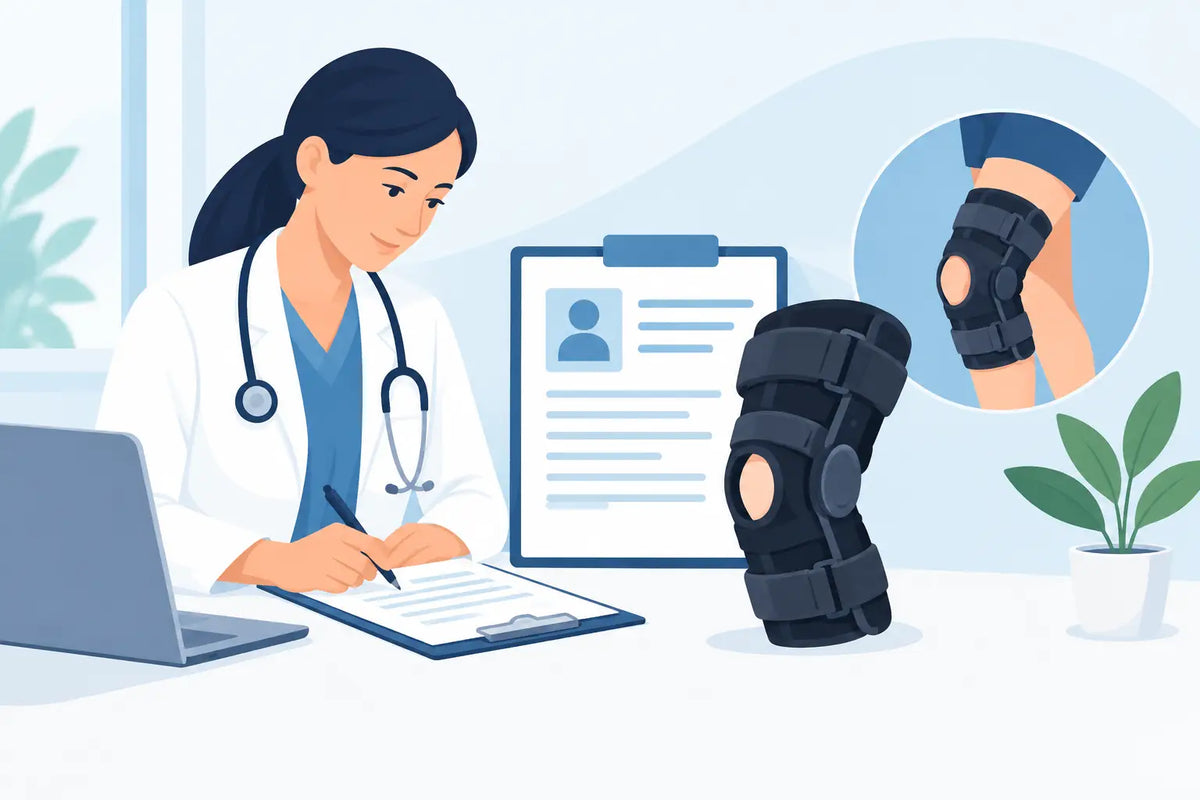
If you intend to submit an insurance claim, obtain a physician prescription before purchase whenever your plan requires one. Keep the prescription, itemized receipt, and product information together. Coverage varies between extended health plans, including whether the insurer covers a shoulder orthosis, requires a specific medical diagnosis, or sets a maximum reimbursement amount.
For clinics, a clearly documented recommendation can help patients understand why a structured shoulder immobilizer is indicated instead of a standard sling. For patients, that same documentation creates a clearer record of the prescribed level of support.
When ordering online, check the available sizing information, return conditions, and delivery timing before surgery if possible. A postoperative support is most useful when it is available at discharge or when your surgeon directs you to begin using it. Sporlastic Canada provides product documentation designed to support prescription-based reimbursement needs, but individual insurer approval remains the responsibility of the plan member.
Know When the Fit or Recovery Plan Needs Review
An immobilizer should feel supportive, not restrictive in a harmful way. Contact your surgical team promptly if you experience increasing numbness, marked swelling in the hand, blue or pale fingers, a rash, severe neck pain, shortness of breath, fever, drainage from the incision, or pain that is escalating rather than gradually improving.
It is also worth requesting a fit check if the arm repeatedly slips out of position, the waist strap rides upward, the pillow rotates, or you cannot keep the brace on for the prescribed duration because of discomfort. Clinicians and trained fitters can often improve comfort through adjustment without compromising protection.
Your immobilizer is a temporary but meaningful part of recovery. Choose the level of support your procedure requires, fit it carefully, and treat every strap and positioning feature as part of the clinical plan that helps you return to safe shoulder movement when the time is right.

Leave a comment
This site is protected by hCaptcha and the hCaptcha Privacy Policy and Terms of Service apply.