

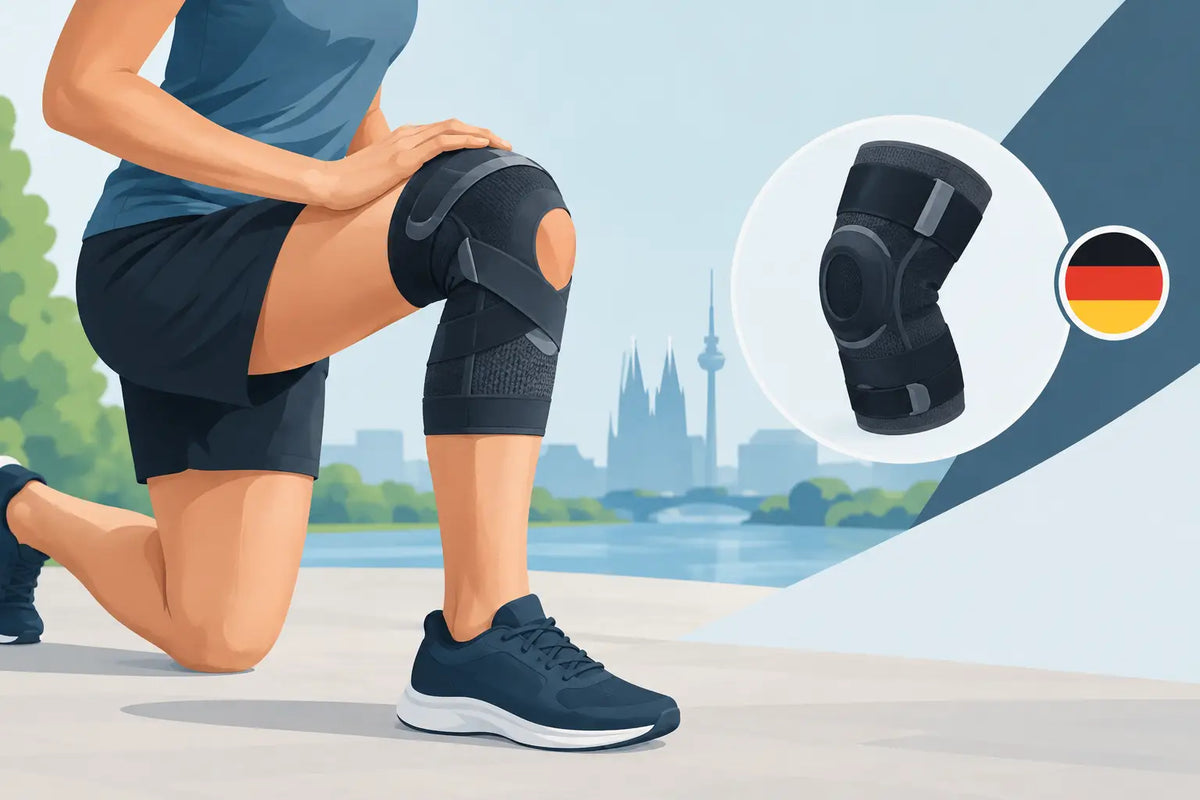
A brace that feels acceptable for ten minutes can become the wrong choice halfway through a workday, rehabilitation session, or evening walk. This German engineered brace review focuses on the details that determine whether an orthopedic support is genuinely useful: controlled compression, purposeful stabilization, accurate fit, and materials that patients can realistically wear as directed.
German engineering is not a substitute for a proper assessment or diagnosis. It does, however, describe a design approach that matters in orthopedic care. The best supports are built around how a joint moves, where pressure should be applied, and how a brace can remain secure without creating unnecessary restriction. For Canadians managing an injury, degenerative discomfort, instability, or post-treatment recovery, that distinction can affect both comfort and adherence.
What a German Engineered Brace Review Should Examine
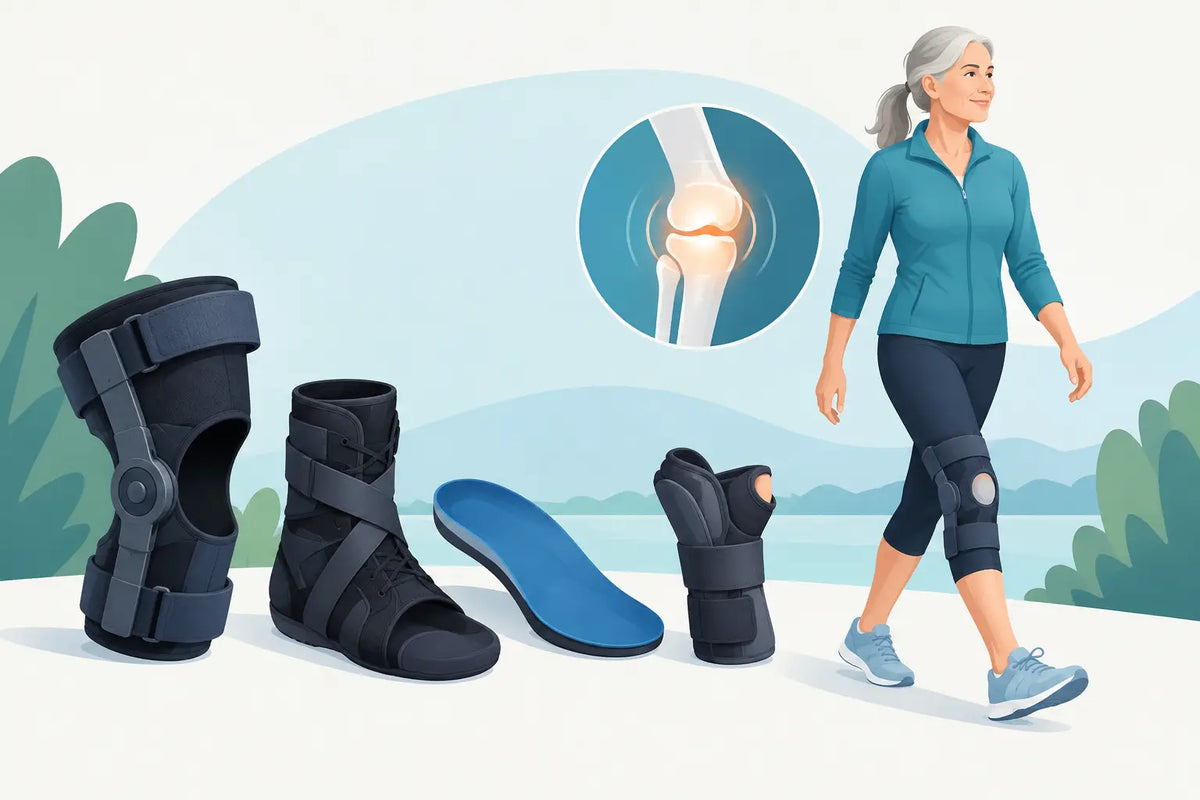
A meaningful review starts with the intended clinical function, not the appearance of the brace. A lightweight knit sleeve and a rigid hinged knee brace may both be called knee supports, but they solve very different problems. One may provide compression and proprioceptive feedback for mild symptoms; the other may be indicated when ligament stability or controlled range of motion is the primary concern.
German-engineered orthopedic products are often designed as treatment concepts rather than one-size-fits-all accessories. That can mean anatomically shaped knit zones, silicone grip bands, integrated pads around sensitive areas, adjustable straps, or lateral stays positioned to guide movement. These features should have a clear purpose. More components do not automatically mean more effective support.
The right level of support depends on the condition, the body area, and the activities that need to remain possible. A person returning to standing shifts after an ankle sprain may need a different solution than a runner managing recurring instability, or a patient following a clinician's post-operative protocol. When pain follows a fall, surgery, sudden loss of function, numbness, marked swelling, or inability to bear weight, a brace should not delay medical assessment.
Stabilization should match the problem
Stabilization is the most visible difference between basic supports and more technical braces. For example, an ankle brace may use lacing, figure-eight straps, or semi-rigid side elements to limit unwanted inversion while allowing practical walking motion. A knee brace may use flexible stays for gentle guidance, or hinges when greater medial-lateral control is required.
There is a trade-off. Higher stabilization can feel more secure, but it can also be bulkier under clothing and less convenient for tasks that require frequent kneeling, squatting, or footwear changes. A brace that is technically strong but rarely worn cannot deliver consistent support. Good design balances control with the realities of daily use.
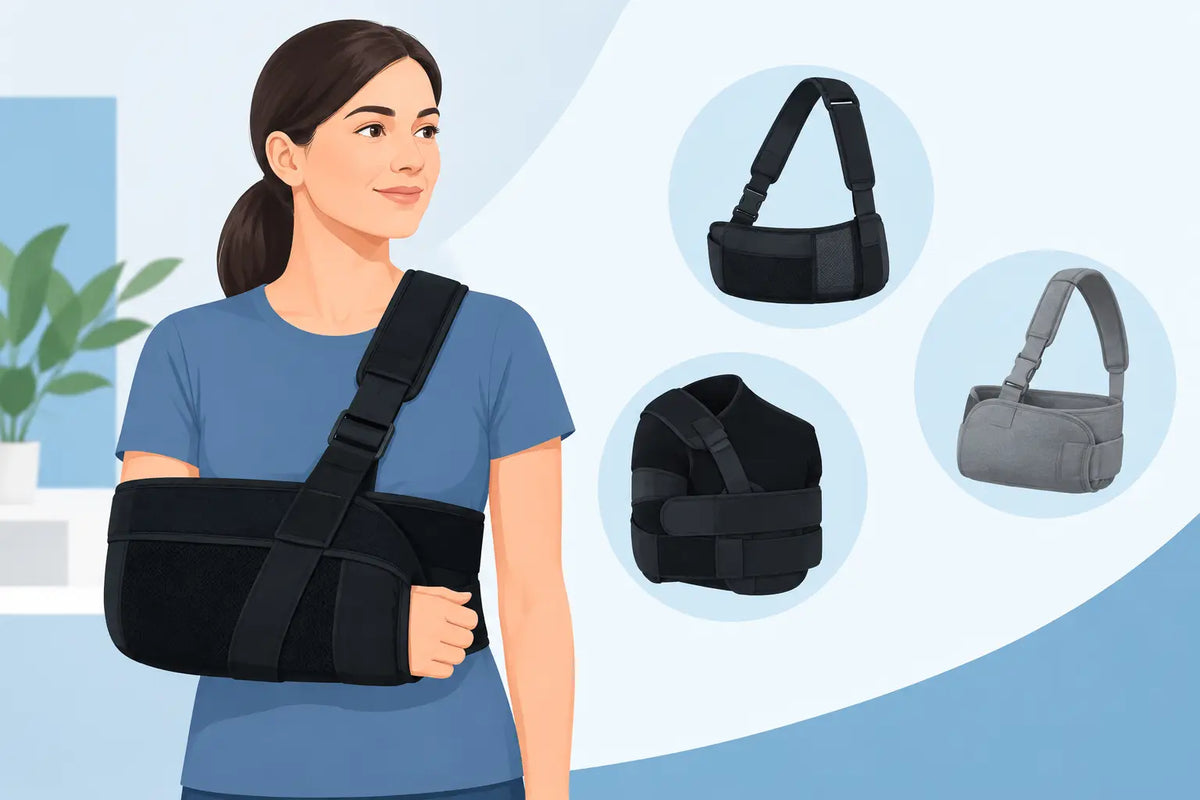
For the back, wrist, thumb, shoulder, and elbow, the same principle applies. The brace should support the tissue or joint involved without unnecessarily immobilizing neighbouring areas. A wrist orthosis that holds the wrist in a functional position may be appropriate for specific symptoms or recovery stages, while a softer compression support may be better suited to intermittent discomfort and activity-related fatigue.
Compression is more than a tight feeling
Compression can help a support feel secure, provide sensory feedback, and assist with swelling management when appropriate. But compression should be even and tolerable. Bunching behind the knee, deep marks at the edge of a sleeve, tingling, coldness, or increased pain are signs that the size, position, or product type should be reassessed.
Technical compression supports may specify compression values in mmHg. This information is useful because it gives a clearer indication of the product's intended pressure profile than vague claims of being supportive. Still, the number is only one part of the decision. The knit construction, anatomical shaping, and the user's measurements all influence how the support performs on the body.
People with circulatory concerns, reduced sensation, diabetes-related complications, skin fragility, or a history of blood clots should seek guidance from an appropriate health professional before selecting compression-based products. The safest choice is not always the firmest one.
Fit Is the Deciding Factor in Any Brace Review
Even excellent materials and thoughtful engineering cannot compensate for inaccurate sizing. Orthopedic braces are designed to sit at specific landmarks. If a knee support rotates, if an ankle strap slips toward the heel, or if a lumbar support rides upward when sitting, its intended support features may no longer align with the body.
Measure exactly where the product's size guide instructs, ideally against bare skin and without pulling the tape tight. Measurements can change with swelling, muscle development, and weight fluctuation, so a previous size should not be assumed to remain correct. If a measurement falls between sizes, the product instructions and intended compression level matter more than a general preference for a tighter fit.
Fit also needs to be tested in motion. Walk, sit, climb a few stairs, and perform only the movements permitted within your recovery plan. A well-fitted brace should remain positioned without pinching, rolling, or creating pressure points. It should feel supportive rather than distracting.
Materials affect whether patients keep wearing it
Skin comfort is a treatment issue. Breathable knitted fabrics, low-profile seams, moisture management, and soft edge finishes can make a significant difference during long wear periods. These details are particularly relevant for workers wearing a brace beneath uniforms, active adults exercising in variable Canadian weather, and older adults who may have sensitive skin.
Durability matters as well. Repeated stretching, washing, and fastening can reduce the effectiveness of lower-quality supports. Follow the care instructions for the specific brace, especially where silicone elements, hook-and-loop closures, hinges, or removable pads are involved. Washing a support correctly is not just cosmetic; it helps maintain hygiene and the intended fit.
A discreet profile can be valuable, but it should not be the only priority. A brace designed for meaningful stabilization may be more visible than a basic sleeve. When the condition requires greater control, that trade-off can be worthwhile. When the goal is mild compression during everyday activity, a lower-profile option may be the more practical choice.
How to Choose the Appropriate Support Level
Start with the body area and the reason for support. Terms such as ligament laxity, meniscal damage, osteoarthritis, tendon irritation, post-operative protection, and recurring sprain point to different design requirements. A physician, physiotherapist, chiropractor, occupational therapist, or orthopedic specialist can help translate a diagnosis into the appropriate brace category.
Next, consider when the brace will be worn. Support for a short gym session may differ from support needed through an eight-hour shift, during recovery after an injury, or while managing symptoms at home. Think about footwear, work demands, access to washrooms, clothing layers, and whether you can independently put the brace on and remove it. A complicated application system may be clinically appropriate, but only if the wearer can use it correctly.
Finally, consider the treatment plan. Braces can complement rehabilitation, activity modification, and clinician-directed care. They are rarely a complete solution on their own. In some cases, the goal is temporary protection while strength and mobility return. In others, particularly with chronic instability or degenerative joint changes, a support may be part of longer-term symptom management.
Sporlastic Canada offers supports across multiple body regions, allowing patients and practitioners to compare compression, stabilization architecture, and indications rather than treating every painful joint as the same problem. Product documentation may also be helpful when a prescription is required for insurance reimbursement. Coverage rules vary by plan, so patients should confirm their insurer's requirements before ordering.
The Value Is in Purposeful Design
The strongest point of a German engineered brace is not the country-of-origin label. It is the expectation that the brace has been developed with anatomy, motion, wearability, and clinical use in mind. Features such as shaped pads, targeted compression zones, adjustable controls, and stabilizing elements should all answer a practical question: what does this support help the wearer do more safely or comfortably?
That question also keeps expectations realistic. A brace may reduce the sensation of instability, improve confidence during movement, or help manage symptoms during recovery. It cannot diagnose the cause of pain, repair a serious injury, or replace a rehabilitation plan. New symptoms, worsening pain, skin changes, or altered circulation warrant prompt professional advice.
Choose the brace that matches your condition, measurements, and daily demands - then give yourself enough time to assess how it performs during the movements that matter most to you.

Leave a comment
This site is protected by hCaptcha and the hCaptcha Privacy Policy and Terms of Service apply.