

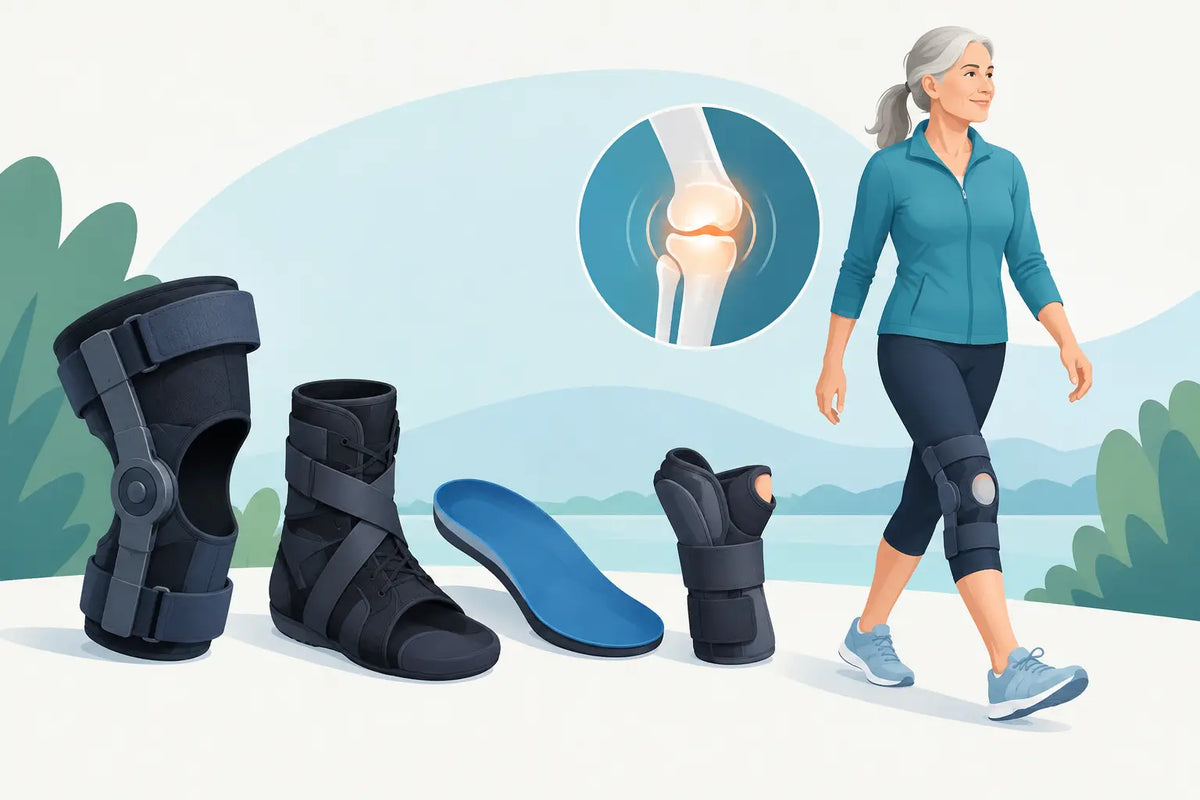
A painful first step down the stairs, a knee that swells after a grocery trip, or fingers that object to opening a jar can each change how freely a person moves. The best orthoses for osteoarthritis mobility are not simply the stiffest braces available. They are supports selected for the affected joint, the pattern of symptoms, daily demands, and the amount of movement a person needs to preserve.
An orthosis can provide purposeful compression, guide a joint through a more comfortable range of motion, improve a sense of stability, or reduce stress on a specific area. It does not reverse osteoarthritis, and it should not be used to push through sharp pain or significant swelling. Used as part of a plan that may include exercise therapy, pacing, medication, footwear changes, and clinical care, the right support can make daily activity more manageable.
What an Osteoarthritis Orthosis Should Do
Osteoarthritis affects joints differently. Some people primarily feel aching with activity. Others experience stiffness after rest, reduced confidence on uneven ground, joint enlargement, or instability that limits work and exercise. The best support is therefore defined by function, not by a single diagnosis.
A well-chosen orthosis may offer one or more of the following benefits: comfortable compression to support body awareness and help manage mild swelling; targeted stabilization where a joint feels unreliable; controlled motion when movement is painful; or a mechanical design intended to redistribute load. The last category is particularly relevant for certain knee osteoarthritis patterns and usually benefits from professional assessment and fitting.
Comfort matters as much as support level. A brace that slips, pinches behind the knee, makes the hand difficult to use, or feels too bulky for regular footwear is unlikely to be worn consistently. Premium orthoses are treatment tools designed to work with movement, not merely restrict it.
Best Orthoses for Osteoarthritis Mobility by Joint
Knee osteoarthritis: compression, guidance, or unloading
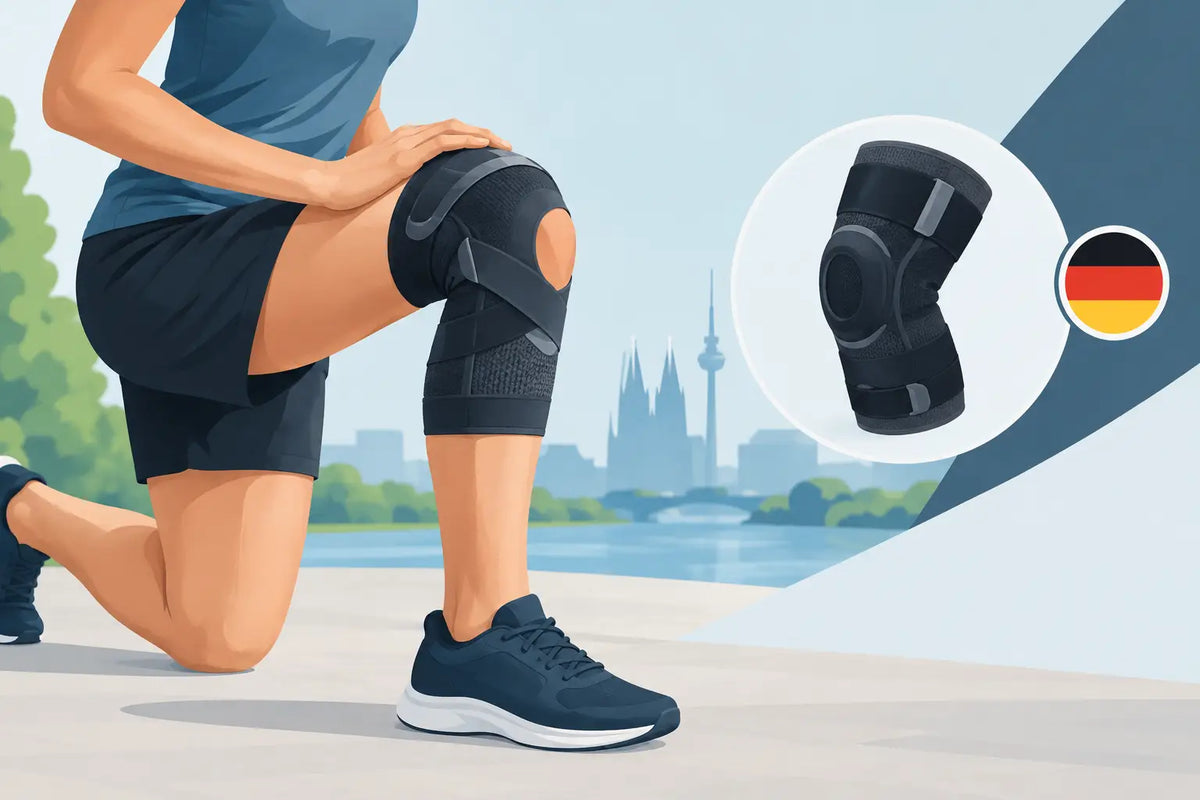
The knee is one of the most common sites of osteoarthritis, but there is no single knee brace for every case. A compressive knee support may be appropriate when symptoms are mild to moderate, the knee feels achy or slightly swollen, and the goal is more confidence during walking, standing, or exercise. Knitted supports with anatomical shaping, breathable materials, and an integrated patella zone can provide even compression without the bulk of a rigid brace.
When the knee also feels unstable, a hinged orthosis can offer more structured lateral support. This may suit people who have osteoarthritis alongside ligament laxity, a history of injury, or noticeable difficulty controlling the knee during stairs and uneven terrain. The trade-off is greater bulk and more attention to fit. A hinged brace should align correctly with the knee joint and stay in position throughout the day.
For people with osteoarthritis that is concentrated in one compartment of the knee, an unloading or valgus-producing orthosis may be considered. These designs are intended to shift pressure away from the more affected compartment. They can be highly useful for the right indication, but they are not a generic answer to knee pain. Alignment, severity of symptoms, leg shape, skin tolerance, and activity goals all influence whether an unloading brace is suitable. Assessment by an orthopedic specialist, physiotherapist, or other qualified practitioner is strongly recommended.
Hand and thumb osteoarthritis: preserve useful movement
Osteoarthritis at the base of the thumb can make gripping, turning keys, typing, cooking, and fastening clothing unexpectedly difficult. A thumb orthosis supports the carpometacarpal joint while leaving as much finger movement as possible available. For many people, this balance is more practical than immobilizing the entire hand.
A low-profile thumb support is often useful for daytime tasks because it can stabilize the thumb without interfering excessively with work or household activities. A more structured design may be preferred during symptom flares or for tasks that reliably aggravate pain. If the brace causes numbness, changes finger colour, or restricts circulation, it is too tight or not positioned correctly.
For osteoarthritis affecting the finger joints or wrist, the support choice depends on the exact location and task. A wrist orthosis may help when painful wrist motion compounds hand use, but it will not specifically address every finger joint. A clinician or hand therapist can help distinguish thumb-base pain, wrist involvement, tendon irritation, and nerve symptoms that may need a different treatment approach.
Ankle and foot osteoarthritis: stability starts with the shoe
Ankle or midfoot osteoarthritis may cause pain with push-off, reduced tolerance for uneven surfaces, or a feeling that the ankle is less dependable. An ankle orthosis can provide compression and directional support, particularly when osteoarthritis is accompanied by previous sprain-related instability. Lace-up, strap-based, or stabilizing side-support designs can limit unwanted motion while allowing functional walking.
The orthosis must work with footwear. A supportive brace worn inside a shoe that is too narrow can create pressure points and discourage use. Bring the type of shoe you wear most often into the fitting decision: work boots, walking shoes, winter footwear, and athletic shoes all have different volume and collar heights. For midfoot symptoms, footwear modifications or foot orthotics may sometimes be more relevant than an ankle brace alone.
Back, hip, and other joints: use a specific goal
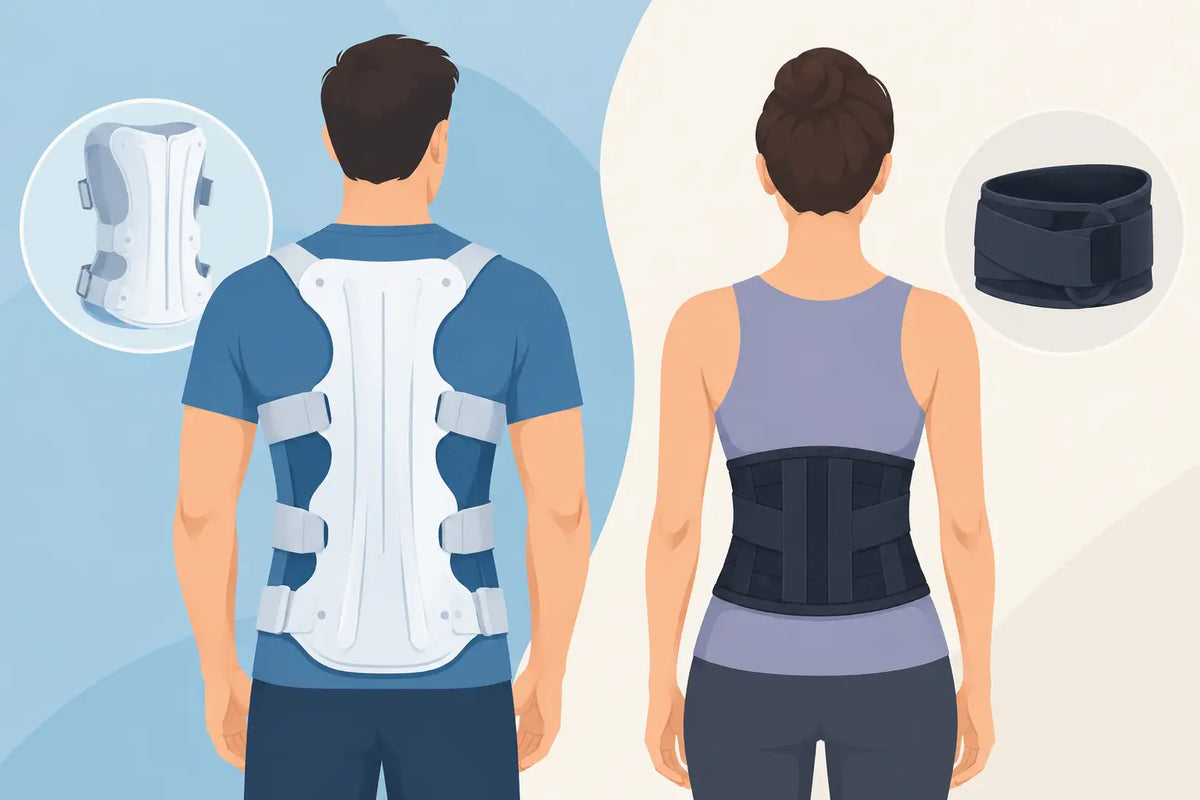
Osteoarthritis can also affect the spine, hip, shoulder, and elbow, though bracing is not equally useful in every area. A lumbar support may provide a sense of stability during demanding tasks for some people with low-back discomfort. Hip supports may offer compression and warmth, but they cannot meaningfully unload the hip joint in the same way a specialized knee unloader can redistribute knee forces.
For shoulder or elbow symptoms, an orthosis should be selected carefully to avoid creating stiffness through unnecessary immobilization. If range of motion is steadily declining, pain occurs at rest, or there has been a recent fall or injury, seek clinical assessment before relying on a support.
How to Choose the Right Level of Support
Start with the task you want to make easier. If a knee hurts after a longer walk but feels stable, a comfortable compression support may be sufficient. If it buckles on stairs, a more stabilizing option deserves consideration. If pain is clearly focused on one side of the knee and has been assessed as compartment-specific osteoarthritis, ask a practitioner whether an unloading design is appropriate.
Sizing is not a minor detail. Follow the product measurement instructions precisely, usually using circumference measurements at designated points rather than relying on clothing size. Measure when swelling is at its usual level where possible. A correct fit should feel supportive and secure without deep marks, tingling, coldness, or worsening pain.
Consider when the brace will be worn. A slim, breathable support may be the better choice for a full workday, while a more structured orthosis may suit walking, rehabilitation, or higher-demand activities. Some people benefit from using different supports for different situations rather than expecting one product to do every job.
Getting More From Your Orthosis
An orthosis works best when it supports an active management plan. Gentle strengthening and mobility exercises prescribed by a physiotherapist can help maintain joint control and function. Pacing also matters: breaking a demanding task into shorter periods may reduce the flare-and-recover cycle that leads to less activity over time.
Put the support on smooth, dry skin and check that it sits in the intended position before starting activity. Re-adjust it after several minutes of walking, particularly with hinged or strap-based designs. Wash the product according to its care instructions, as skin oils and detergent residue can affect material performance and comfort.
Monitor your response over time. A support should help you move with greater comfort or confidence, not cause new pressure, altered gait, numbness, or escalating symptoms. Stop using it and speak with a healthcare professional if those concerns occur. New severe pain, marked redness or heat, sudden swelling, fever, inability to bear weight, or a painful swollen calf require prompt medical attention.
When Professional Guidance Makes the Difference
A physician, physiotherapist, chiropractor, occupational therapist, or orthopedic specialist can help match the orthosis to your diagnosis and movement pattern. This is especially valuable for unloading knee braces, significant deformity, combined osteoarthritis and instability, post-treatment rehabilitation, or symptoms that do not improve with basic support.
For Canadian customers seeking extended health benefit reimbursement, a prescription may be required by the insurer even when a support is available for direct purchase. Keep the prescription, receipt, and relevant product documentation. Sporlastic Canada can provide clinically designed orthopedic supports, while your insurer determines its own eligibility and documentation rules.
The right orthosis should help you stay involved in the movements that matter, whether that is walking the dog, managing a shift on your feet, training carefully, or using your hands without planning every task around pain. Choose the support that fits your joint, your day, and your treatment plan, then let comfort and function guide the next step.

Leave a comment
This site is protected by hCaptcha and the hCaptcha Privacy Policy and Terms of Service apply.